Cancer Treatment in Japan. Immunotherapy. The Vaccine Against Cancer.
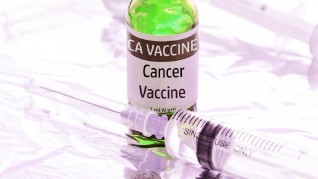
Japan has long been one of the world’s leading countries in many fields, and medicine is no exception.
Every year, new clinical trials are conducted and innovative cancer treatment methods are introduced in the country. In addition to treatment itself, Japan also focuses on two other important areas: the prevention of cancer development and maximizing recovery after treatment while preventing recurrence.
A key focus of research has been the human immune system and ways to support and activate it.
Let’s talk about how the immune system works:
The immune system that protects the body from disease consists of two mechanisms: innate immunity and acquired immunity.
Innate immunity is a system that is naturally present in the body. It constantly monitors the body’s condition and quickly begins attacking foreign substances that enter the body. It can be considered the first line of defense against disease.
Acquired immunity responds to foreign substances that manage to pass through this first line of defense. This system exists only in highly developed organisms such as humans.
Acquired immunity has a powerful destructive capacity and is able to attack strong enemies such as cancer cells. Thanks to this system, the body develops antibodies against specific diseases.
The “soldiers” of the innate immune system that initiate the attack against cancer cells include: granulocytes, NK cells (natural killer cells), dendritic cells, and macrophages.
Among these, dendritic cells play a particularly important role.
They are often called the “commanders of the immune system.” They detect enemy information, such as antigens, and transmit it to the acquired immune system located in the lymph nodes.
The main fighters of the acquired immune system include:
- T-cells (CTL – cytotoxic T lymphocytes) with strong cancer-cell-killing ability
- B-cells, which mainly target smaller foreign agents. Once dendritic cells transmit information about the antigen, these cells launch a powerful immune response against the target.
The Hasumi Vaccine
These discoveries encouraged scientists to consider the development of cancer vaccines. One of the earliest examples is the Hasumi Vaccine.
The Hasumi vaccine therapy was developed by Dr. Kiichiro Hasumi in 1948. For more than half a century, it has been used to treat various types of tumors in over forty thousand cancer patients worldwide. The most common indication for the Hasumi vaccine is the prevention of tumor recurrence after treatment or in combination with ongoing therapies, including alternative treatment methods. Importantly, it is generally used without causing serious side effects.
The effectiveness of the vaccine largely depends on an adjuvant called Marignase, which improves cellular immunity. At the same time, the vaccine also demonstrates anti-allergic and anti-inflammatory effects.
Adjuvants are substances that enhance immune activity by stimulating dendritic cells. They play such an important role that the effectiveness of many immunotherapies largely depends on the action of the adjuvant.
The adjuvant developed by Shukokai, the company producing the Hasumi vaccine, is considered highly effective and is made from components naturally present in the human body. As a result, it is easily absorbed and rarely causes side effects.
Adjuvant therapy uses these substances to strengthen overall health, support immune function, and potentially contribute to anti-aging effects by maintaining a youthful immune system and helping to prevent cancer.
The goal is to support long-term immune health and reduce the risk of cancer development.
In general, therapy with the Hasumi vaccine tends to produce better results when the disease is in a stable stage rather than during active progression.
Prevention of Cancer Recurrence with the Hasumi Vaccine
Hasumi vaccine therapy is recommended to support the positive results of standard treatments such as surgery, chemotherapy and radiation therapy. Its main goal is to prevent recurrence and/or metastasis.
The vaccine is typically used in parallel with standard treatment methods as an additional component of the treatment plan determined by the patient’s physician.
The most typical indication for the Hasumi vaccine is the prevention of tumor recurrence after treatment, as well as supporting recovery and immune regeneration.
Clinical observations have shown that the use of the Hasumi vaccine may increase five-year survival rates by approximately 10–30% in patients with various tumor types, compared with 1–6% in patients receiving conventional treatment alone.
In cases of advanced cancer, the average five-year survival rate is typically 2–3%. Even in these situations, the Hasumi vaccine has demonstrated improvements in quality of life (including increased activity levels, weight gain, reduced fatigue). These positive effects are achieved with fewer adverse reactions compared with many standard therapies.
The Hasumi vaccine generally begins to strengthen the patient’s immune system after approximately three months of continuous use. Around 60% of patients reported subjective improvements such as reduced pain, improved appetite and weight gain.
After three months of therapy, patients were evaluated using tumor markers. Approximately 26% showed improvement. Hematological test results also indicated improvements in conditions such as anemia, increased total protein levels, and improved erythrocyte sedimentation rate (ESR) in about 70% of patients.
The Hasumi vaccine is considered a versatile immunotherapy approach that may be used for patients with stage 0–IV cancer, depending on the clinical situation and physician recommendations.
There are several types of Hasumi vaccines, which differ based on the type of antigen used. They are mainly divided into two categories:
Standard Vaccines
In standard vaccines, antigens are produced from cancer cell membranes.
For example, antigens can be obtained from cultured cancer cells such as stomach cancer, colorectal cancer, breast cancer.
Vaccines are developed for each specific cancer type. For instance, patients with stomach cancer receive a stomach cancer vaccine and patients with breast cancer receive a breast cancer vaccine.
Autologous Vaccines
Autologous vaccines are produced using antigens obtained from the patient’s own urine. In many cases, when cancer cells are present in the body, membrane protein molecules from cancer cells circulate in the body and can eventually appear in urine. These extremely small amounts of cancer-related proteins are collected and processed to isolate fragmented antigens. These antigens are then used to create an autologous vaccine tailored to the individual patient.
The choice between a standard vaccine and an autologous vaccine depends on whether cancer cells are still present in the patient’s body. If the tumor has been surgically removed and there is no evidence of long-term recurrence, a standard vaccine is typically used.
Autologous vaccines are used when cancer cells may still be present in the body, such as in patients who:
- have not undergone surgery
- recently had surgery
- have elevated tumor markers after surgery
- have experienced tumor recurrence