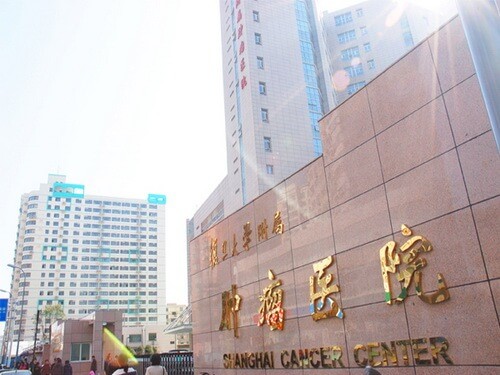
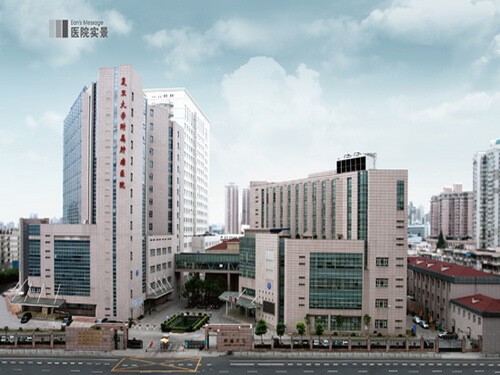
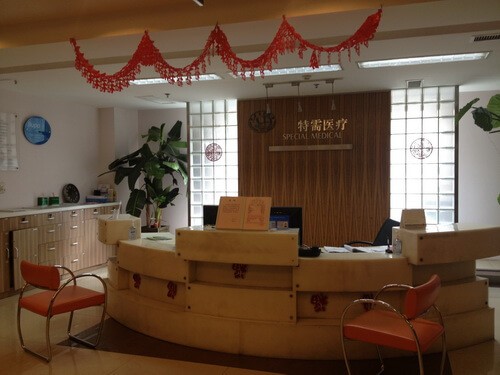
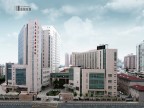



The Fudan University Shanghai Cancer Center is a highly specialized clinic where diagnostics, differentiation, targeted and symptomatic treatment, prevention, and rehabilitation of cancerous tumors are performed. In addition to oncological diseases, the center treats benign neoplasms and effectively prevents the progression of various neoplasias into cancer. The hospital was founded in 1931 as a clinical base of a leading metropolitan university.
The professional staff of the cancer center includes 1,400 employees, among whom are 1,139 senior physicians, 138 associate professors and professors, 24 Doctors of Medical Sciences, and 53 academic mentors. Two professors are honorary members of the American College of Radiology.
The inpatient department has a capacity of 1,100 beds, with continuous expansion of bed availability.
Annual statistics of FUSCC:
-
593,000 outpatient visits
-
22,600 inpatient admissions
-
4,700 patients receiving radiation therapy
-
14,500 surgical procedures
The clinic’s equipment is distinguished by innovation and advanced technology. Available resources include modern linear accelerators, Da Vinci robotic systems, brachytherapy units, radionuclides (including cobalt-60), 256-slice CT scanners, MRI scanners with magnetic field strength of 3 Tesla and higher, CT simulators, nuclear magnetic resonance equipment, state-of-the-art endoscopes, and other advanced instrumentation.
Since 2003, the institution has closely cooperated with leading academic and clinical centers in Japan, Germany, the United States, and other countries.
Popular treatment methods at the center include:
-
Polychemotherapy and monochemotherapy using liposomal cytostatics with reduced toxicity
-
Intensity-modulated radiation therapy
-
Brachytherapy
-
Molecular targeted therapy with next-generation monoclonal antibodies
-
CAR-T therapy and its variations
-
Conventional radiation therapy
-
Immunotherapy and hormone therapy
-
Minimally invasive and organ-preserving tumor removal surgeries
Treatment plans are developed strictly on an individual basis, taking into account laboratory and diagnostic results, gender and age, comorbidities, current condition, and symptom severity.
In advanced stages of cancer, symptomatic and palliative treatment is offered, aimed at:
-
Optimizing organ and system function
-
Preventing rapid tumor dissemination
-
Halting tumor growth
-
Alleviating pain and discomfort
-
Preventing complications
Local specialists develop dedicated palliative care programs, including long-term pain control using adrenal blockade techniques. In most cases, physicians succeed in significantly prolonging patients’ lives and improving their quality of life.

 Gastroenterology

 Diagnostics

 Neurosurgery

 Oncology

 Orthopedics

 Endocrinology