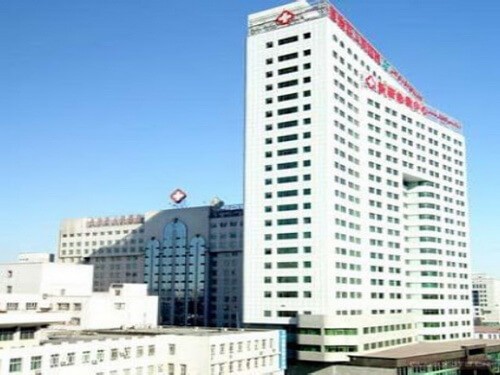
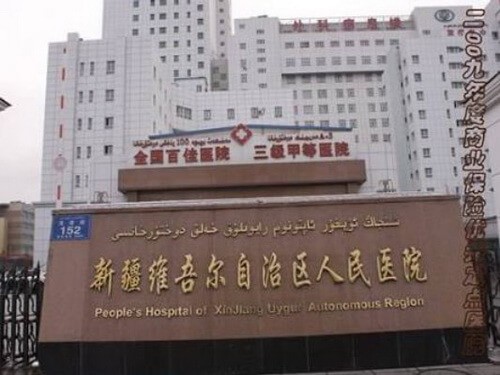




Xinjiang Oncology Hospital is a highly specialized clinic that admits patients with both benign and malignant tumors. It operates a large inpatient facility with a capacity of 2,400 beds. The hospital campus includes multiple departments: outpatient and polyclinic units (thoracic, gastroenterological, breast care, and others), chemotherapy, surgical, radiological, rehabilitation, and preventive medicine departments. Units of nuclear medicine and palliative care are also in operation.
Radiotherapy occupies a special place at Xinjiang Oncology Hospital. Local physicians have mastered the development of unique radiation treatment strategies, enabling them to rapidly achieve stable remission in patients.
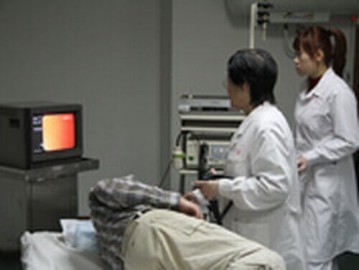
The equipment of the consultation and diagnostic centers allows physicians to diagnose and differentiate tumors, as well as identify local and distant dissemination (metastases and micrometastases), within the shortest possible time—up to 1–2 days. Among the technical resources are powerful PET-CT systems, MRI scanners with Q-Head coils, and 256-slice computed tomography scanners. The unit is also equipped with endoscopic devices featuring high-performance optics. Diagnostic clarification and detailed analysis of the tumor’s morphological characteristics are carried out in the hospital’s own laboratory and research facilities, staffed by experienced pathologists.
As treatment options, physicians at Xinjiang Oncology Hospital offer:
-
Organ-preserving and minimally invasive tumor resection surgeries using robotic technologies
-
Polychemotherapy and monochemotherapy based on individualized regimens (using next-generation chemotherapeutic agents with reduced toxicity)
-
Molecular targeted therapy with monoclonal antibodies
-
Immunotherapy, including the innovative CAR-T method
-
Hormone therapy
-
Stereotactic radiosurgery procedures
-
External beam and interstitial radiotherapy
-
Intraoperative therapies such as HIPEC and PIPAC
In the symptomatic therapy unit, patients receive assistance in managing side effects of primary treatment and negative symptoms caused by tumor breakdown. High-quality analgesics, antiemetic, immunomodulatory, and other supportive medications are used.
Physicians at Xinjiang Oncology Hospital are focused on comprehensive and personalized treatment strategies that demonstrate the highest effectiveness in most cases. The staff consists of highly qualified and experienced specialists, including numerous professors, academicians, doctors and candidates of medical sciences, and internationally recognized physicians.

 Diagnostics

 Neurosurgery

 Oncology

 Orthopedics

 Reproductology

 Endocrinology