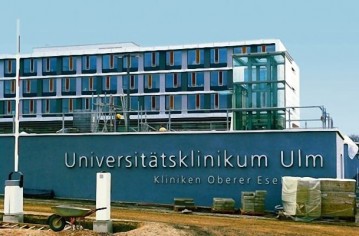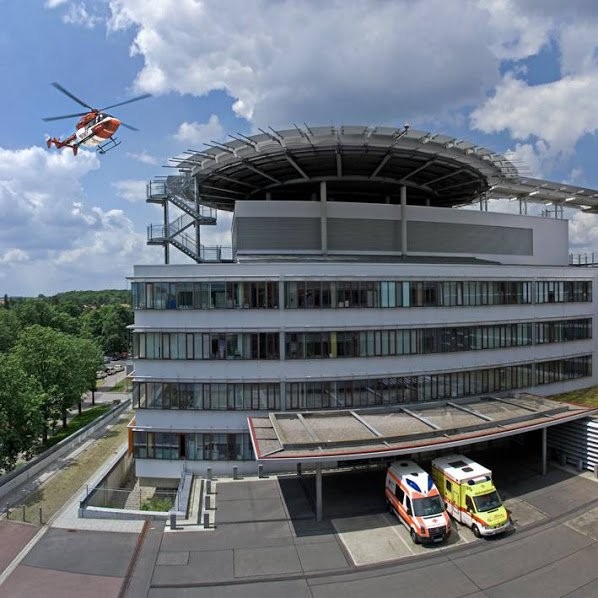

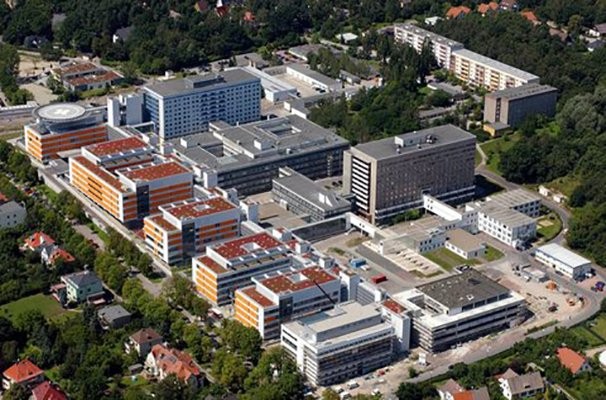






The University Hospital of Halle is a large medical center whose history began in 1764. Over nearly three centuries, it has evolved from a clinical base of the medical faculty into a comprehensive diagnostic and treatment institution providing the full cycle of medical care—from hospitalization to rehabilitation. Each year, the hospital treats around 40,000 inpatients and approximately 120,000 outpatients.
The University Hospital of Halle houses the largest emergency department in the federal state of Saxony-Anhalt. Sixty years ago, a transplant center was also established here, which now leads Germany in the quality of transplantation services. The institution maintains its own donor bank, enabling rapid organ transplantation without waiting lists. All organs are transplanted here—from the cornea and bone marrow to the heart and liver.
Surgeons at the hospital’s surgical centers prioritize minimally invasive, microsurgical, and organ-preserving procedures. The hospital is equipped with Da Vinci robotic systems, neuronavigation platforms, computer imaging systems, modern endoscopes and laparoscopes, radiofrequency and laser scalpels. Diagnostics utilize high-field MRI scanners with power ranging from 1.5 to 3 Tesla, enhanced optics, 3D ultrasound systems, digital radiography units, and other advanced equipment. The hospital’s own laboratories perform a wide range of analyses using unique reagents and expert-class microscopes.
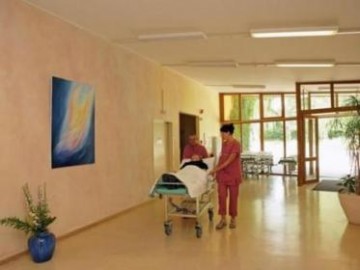
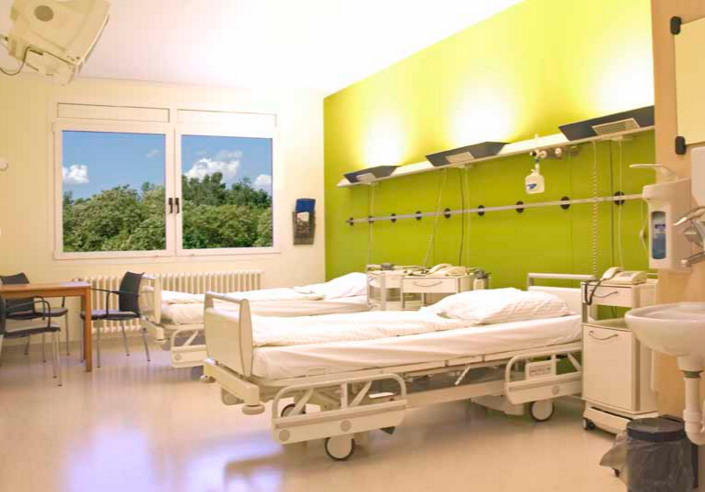
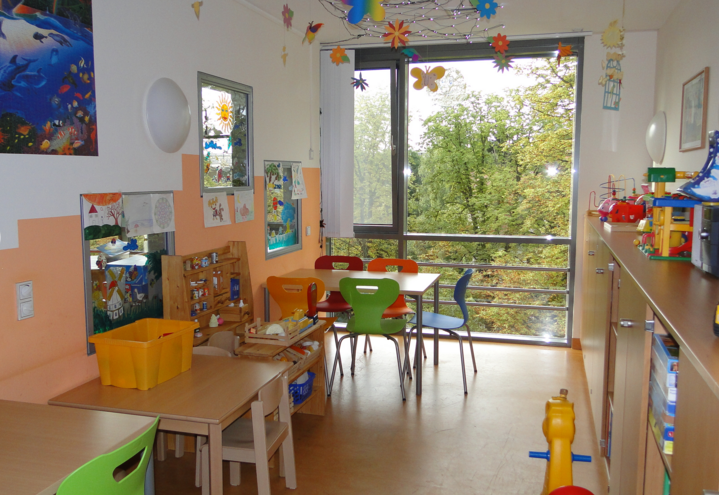
International patients are accommodated in single-, double-, and triple-occupancy rooms furnished with modern furniture and equipment. Upon request, luxury suites are available for patients and accompanying persons. Patients receive three meals a day with a choice of dishes according to personal preferences. If dietary restrictions apply, menus are developed individually in accordance with the attending physician’s recommendations.

 Obstetrics and Gynecology

 Gastroenterology

 Diagnostics

 Cardiology

 Neurosurgery

 General Surgery

 Oncology

 Orthopedics

 Reproductology

 Endocrinology