










Heidelberg University Hospital is a large diagnostic and treatment institution, comprising more than 42 specialized and highly focused departments, including 8 institutes. Each year, over one million patients receive outpatient care here, while 66,000 patients undergo inpatient treatment. The hospital excels in surgery, oncology, genetics, transplantology, and other key medical disciplines.
The hospital has been repeatedly certified by strict and authoritative ISO, KTQ, and TÜV commissions. Its professional staff includes 10,000 employees, 1,600 of whom are physicians of the highest qualification category holding academic degrees and prestigious awards. Heidelberg University Hospital also serves as a training and internship base for 3,800 medical students from across the country. Since the 14th century, the institution has evolved into a large-scale medical complex representing the medicine of the future. The hospital is headed by the renowned Professor Guido Adler.
Outstanding technical equipment allows the hospital to perform the most complex surgical procedures, including operations on the brain and spinal cord. Physicians here practice the most advanced methods of anticancer, hormonal, surgical, and radiosurgical treatment. Diagnostic units are equipped with high-field MRI scanners with a capacity of 3 Tesla and higher, digital X-ray systems, color ultrasound imaging devices, and equipment for both virtual and conventional endoscopy. Operating theaters are fitted with hybrid computer systems, robotic platforms, fine laparoscopes, intraoperative hyperthermia equipment, lasers, and radiosurgical knives.
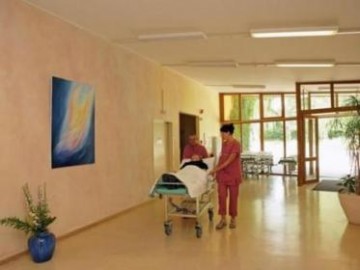
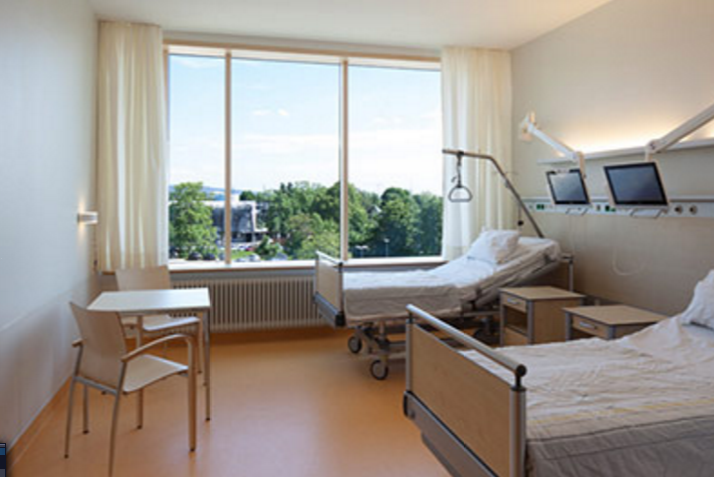
The hospital is rightfully considered a flagship of German medicine. In addition to high-quality diagnostics and treatment, it offers patients a comfortable and welcoming environment. Great importance is placed on rehabilitation programs, which patients may undergo after completing therapy to consolidate and prolong treatment results.

 Obstetrics and Gynecology

 Gastroenterology

 Dermatology and Cosmetology

 Diagnostics

 Cardiology

 Neurosurgery

 General Surgery

 Oncology

 Orthopedics

 Otolaryngology

 Pediatrics

 Reproductology

 Transplantation

 Urology

 Endocrinology