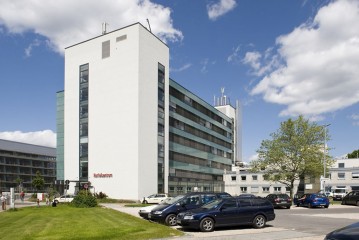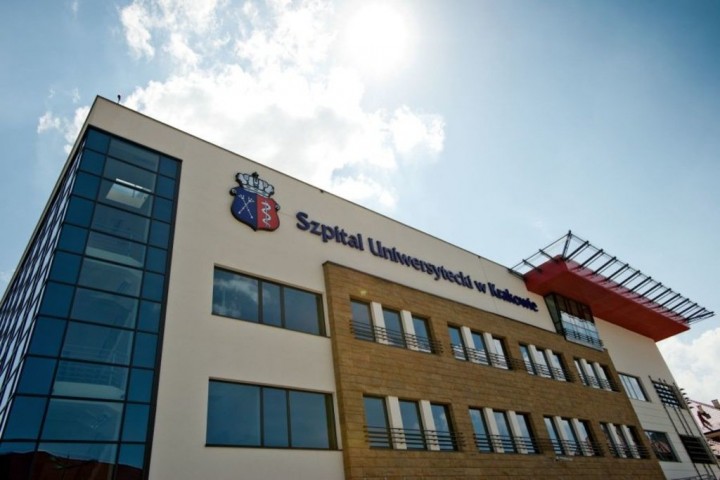
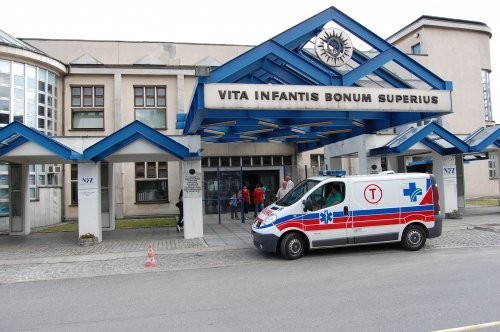
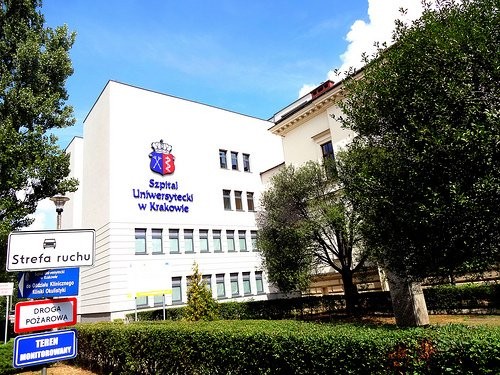
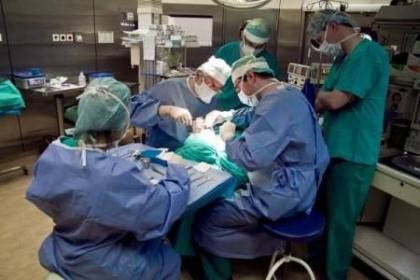

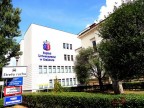
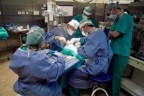



The University Hospital of Krakow is a multidisciplinary medical center with a history spanning over two centuries. It functions as both a clinical and research base for the city’s medical university. The institution incorporates 60 outpatient clinics and 32 specialized departments, making it one of the largest medical centers in Europe. The hospital is accredited by the ISO commission and other authoritative quality-control bodies overseeing diagnostic and therapeutic services.
The professional staff of the University Hospital of Krakow consists of 4,200 employees, including 1,500 residents, physicians, holders of Candidate and Doctor of Medical Sciences degrees, and university professors. Each year, approximately 145,000 patients receive treatment here, one third of whom undergo inpatient therapy. The hospital’s equipment meets the most advanced European and international standards.
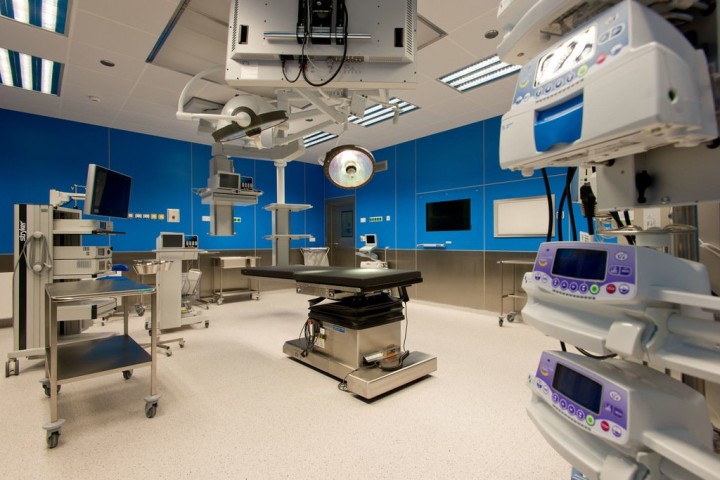
The hospital is equipped with the following technology:
-
State-of-the-art scanners, tomographs, scintigraphy systems, and other next-generation imaging devices
-
Equipment for catheterization and radiofrequency ablation
-
Gamma camera
-
CyberKnife and Gamma Knife systems
-
CO₂ and HoLEP lasers
-
Da Vinci robotic systems
-
Advanced laparoscopic and endoscopic equipment
-
Devices for virtual endoscopy of the gastrointestinal tract
-
Computer-assisted and neuronavigation systems
-
Intraoperative video monitoring systems
-
Surgical microscopes
-
Radiofrequency scalpels
-
angioSURF vascular scanning systems
-
Linear accelerators
-
Equipment for prostate HIFU therapy
Outstanding technical equipment combined with the experience and expertise of physicians guarantees each patient an individualized approach and prompt resolution of health issues. The vast majority of patients treated at this institution achieve stable remission or full recovery.
Non-resident and international patients are provided with comfortable inpatient accommodation in furnished wards. Built-in alert systems allow round-the-clock communication with nursing staff. Patients receive three meals a day with a varied menu tailored to individual preferences and the attending physician’s recommendations.

 Obstetrics and Gynecology

 Plastic Surgery

 Gastroenterology

 Diagnostics

 Cardiology

 Neurosurgery

 General Surgery

 Oncology

 Orthopedics

 Reproductology

 Transplantation

 Endocrinology