Clinics in China - what has changed by 2025?

China is growing and changing, and its healthcare structure is also changing.
Before the pandemic, public hospitals prevailed in China, and private medicine was based mainly in the field of traditional Chinese medicine, or was represented by several very expensive VIP hospitals. It was also a need of time.
By 2025, the structure of hospitals in China has changed - in recent years, several networks of international hospitals (American, Singaporean, Indian) have entered China. They have opened their branches, full-fledged multidisciplinary hospitals in major Chinese cities such as Beijing and Shanghai. Therefore, the offer on the Chinese hospital market has expanded significantly and, accordingly, we, as foreign patients, now have access to a wider range of medical destinations and clinics.
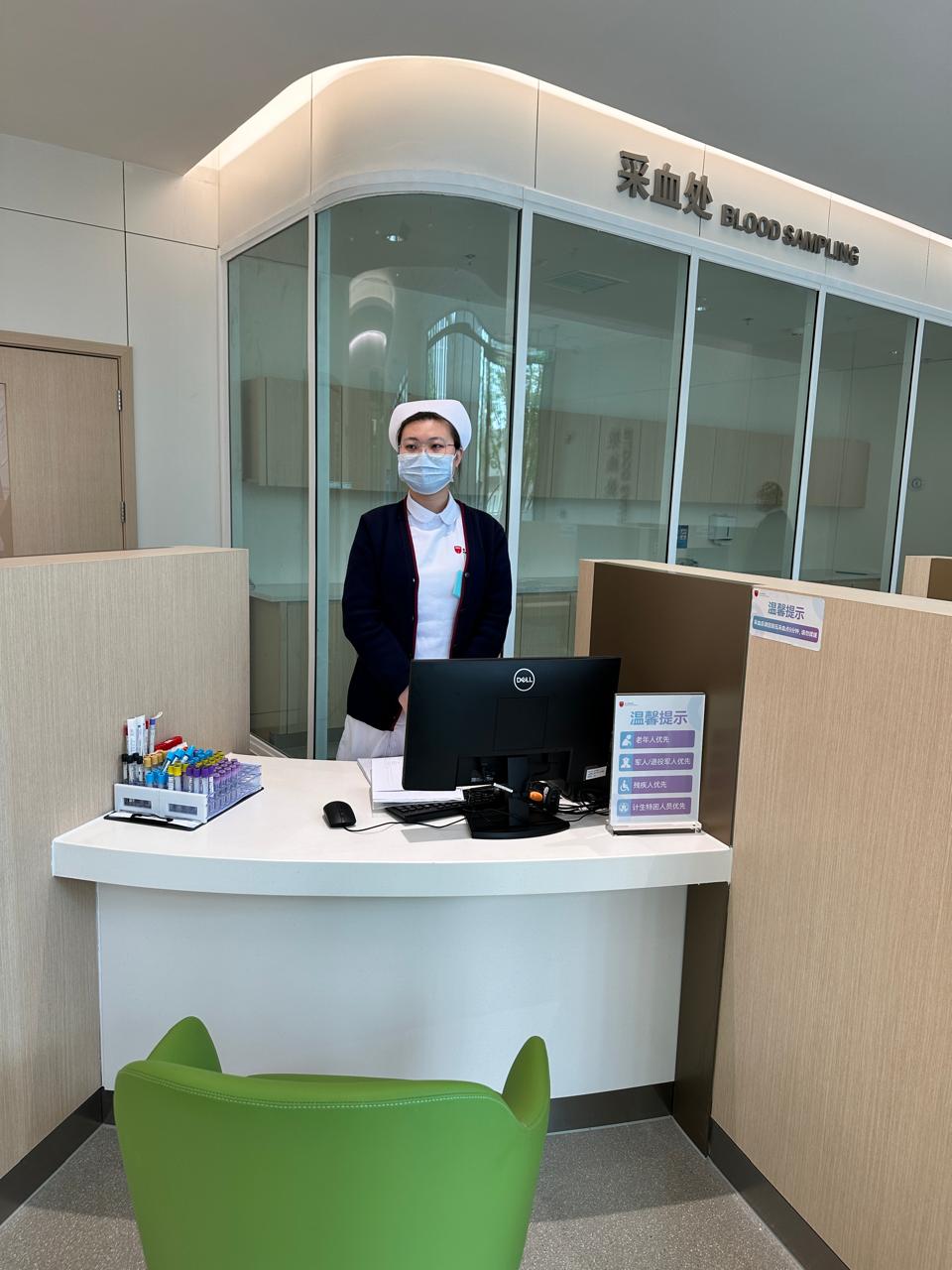
In particular, Chinese state hospitals have begun to expand, build new branches that now look more modern, have a base for scientific research, and cooperate with colleagues from Japan and the United States in installing high-quality and very expensive equipment. All of this is under government control and approval. Clinics in the capital, where people come from all over the country, have long been experiencing capacity problems. The overabundance of patients makes itself felt - the queue for the doctor begins at the stage of getting into the elevator.
Currently, Chinese medicine is being almost completely modernized. In Beijing, for example, they began to build not just hospitals, but health cities with territories of more than 50 hectares. This became possible only when it was decided to build hospitals not in the center, but outside of Beijing.
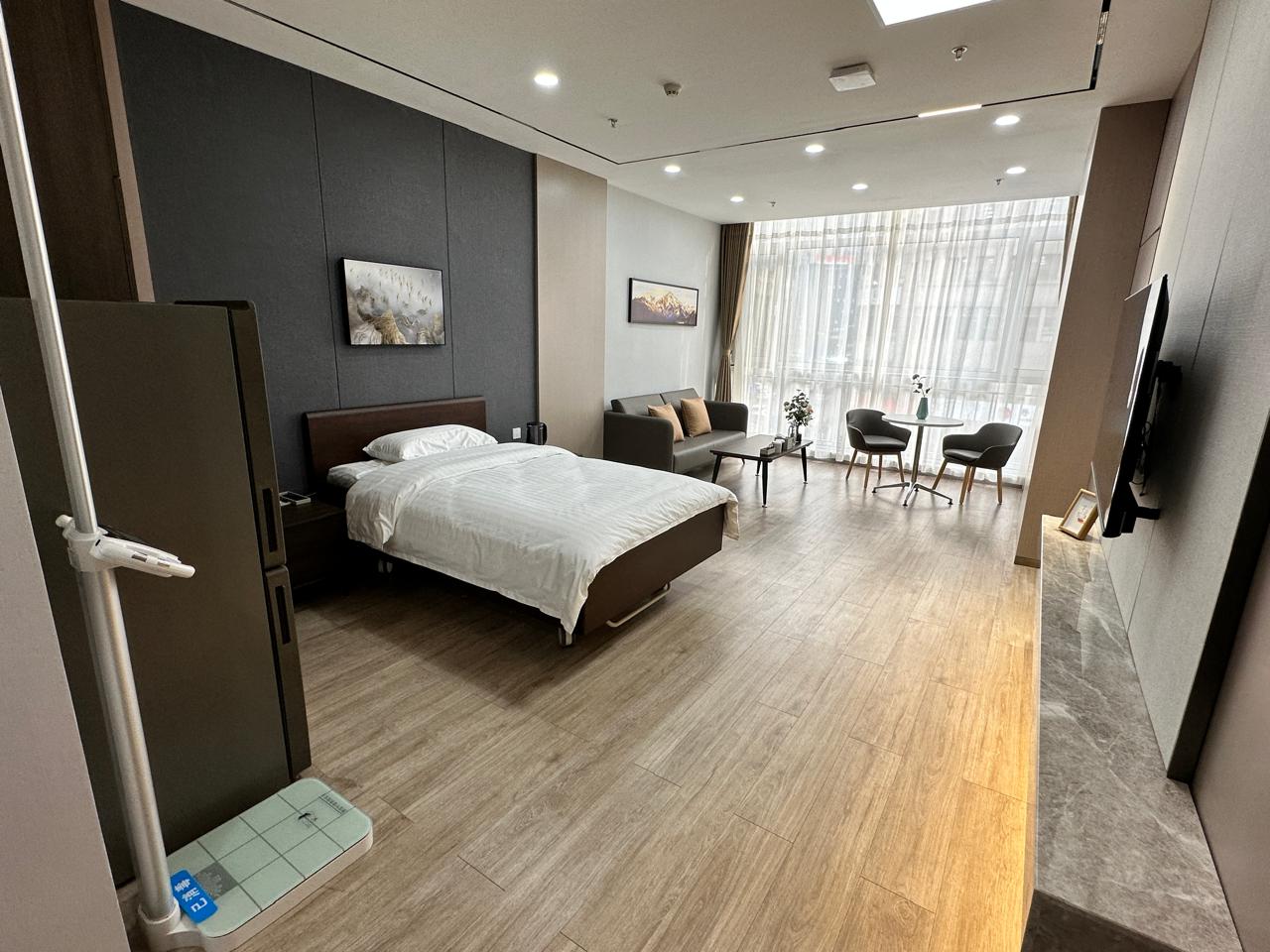
In 2020-2024, many hospitals were built in this way: with a separate dedicated territory, with their own hotels, parks and all the infrastructure.
This made it possible to significantly distribute the patient flow and support the development of specialized hospitals.
This is how clinics with a focus on gerontology appeared around Beijing, with the opportunity to live on the territory and receive medical care for older people.
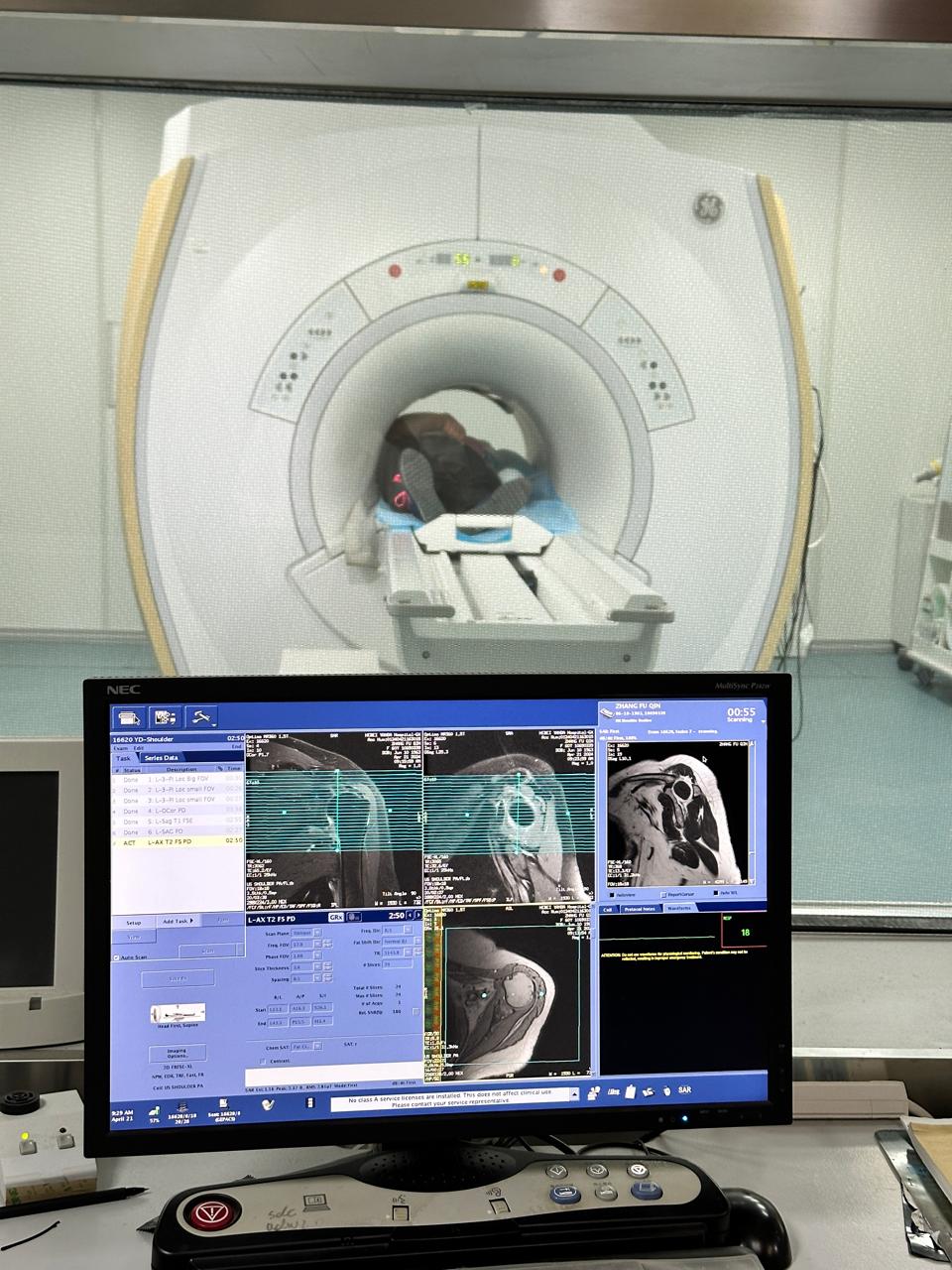
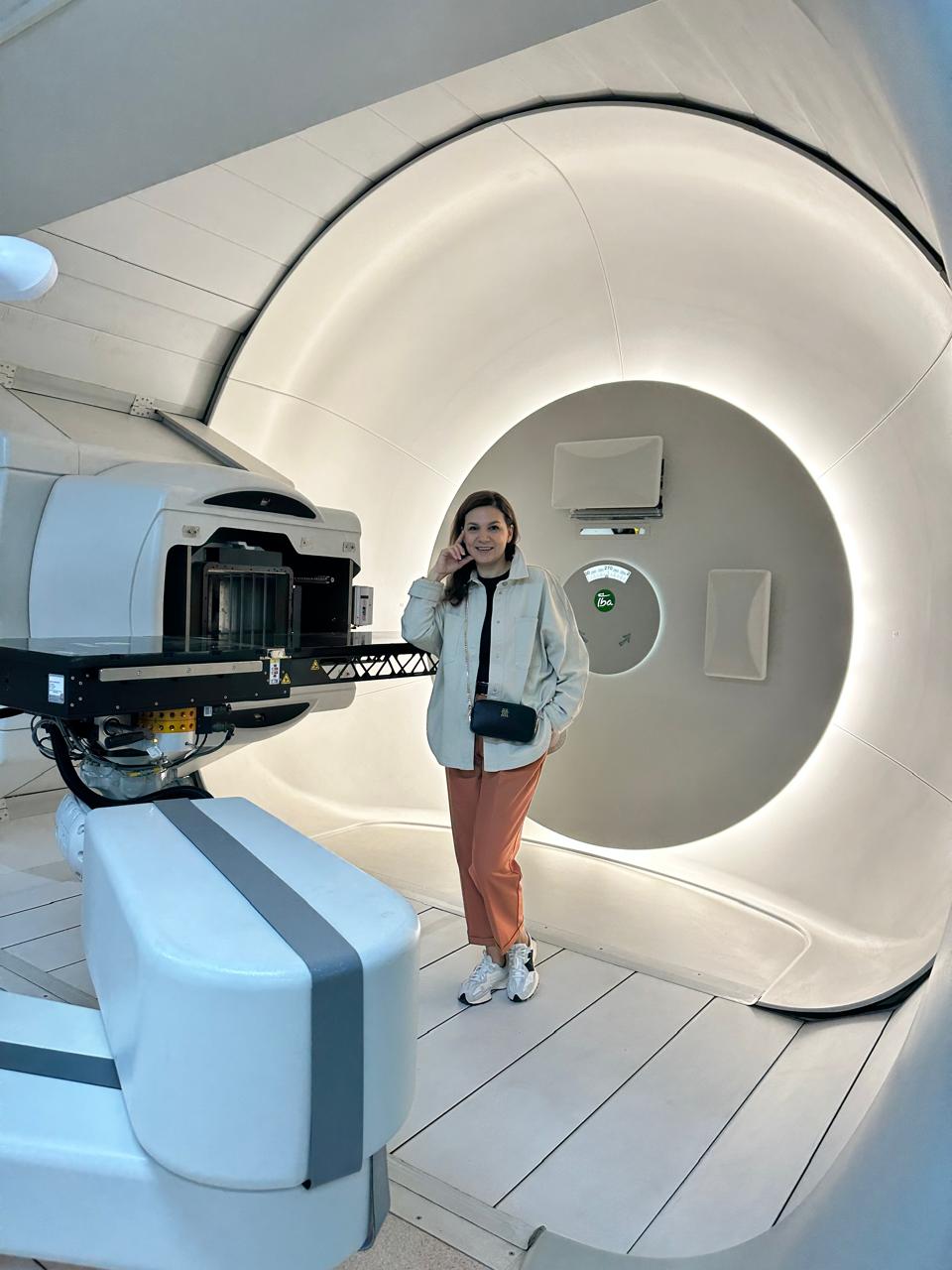
A hospital dedicated exclusively to radiation therapy has been established, including one of the most modern proton therapy devices in China today.
A hospital has been established with a scientific research institute, which is engaged in the development of drugs and clinical trials in the field of oncology and other intractable diseases.
All of them work closely with central hospitals, periodically rotating staff, introducing high standards of treatment and patient care.
And some well-known doctors in Beijing have moved to permanent jobs in such hospitals.
Therefore, the myth that the best hospital in China is a military hospital is now being destroyed. Current trends are changing the composition of hospitals and doctors in these hospitals.
If we generally touch on the question of which hospitals are in China and where you should go for treatment, then you need to know that Chinese clinics are divided into several categories:
- State-owned (formerly military, now more party or governmental), which most often have the highest category 3 (A, B or C). It is difficult to get into them not only for patients from other countries, but also for the Chinese themselves. These hospitals were built a long time ago, and the living conditions in them are very modest (overcrowded multi-bed rooms, not very high-quality repairs, small area around, lack of necessary infrastructure, shops/cafes). The new hospitals under construction (after 2020) already meet all modern requirements, with excellent developing infrastructure, but are located far from the city.
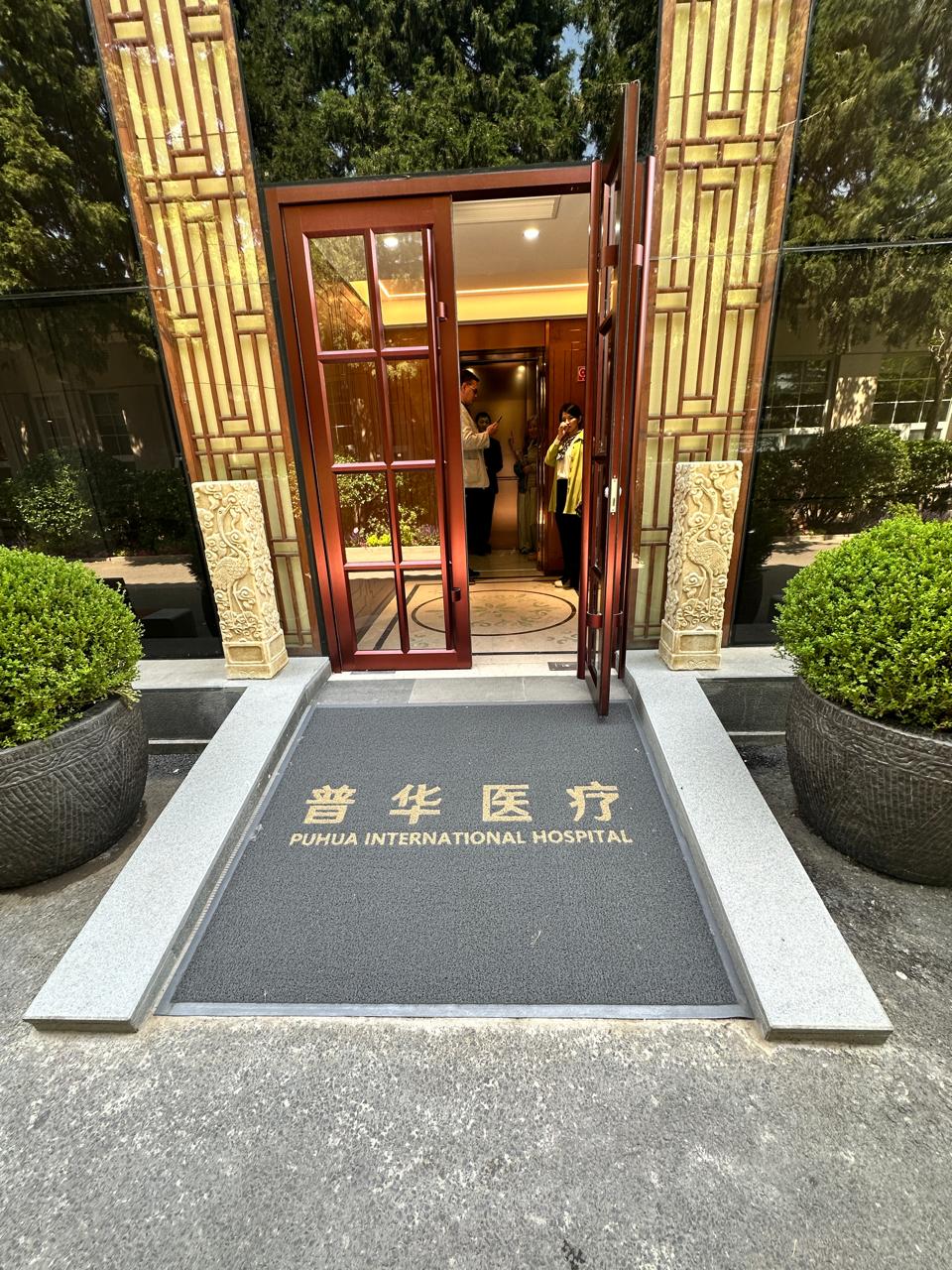
- International - open jointly or entirely with the capital of other countries. These are commercial hospitals, often more friendly to foreign patients and understanding the service needs, with modern interiors and international standards of medicine.
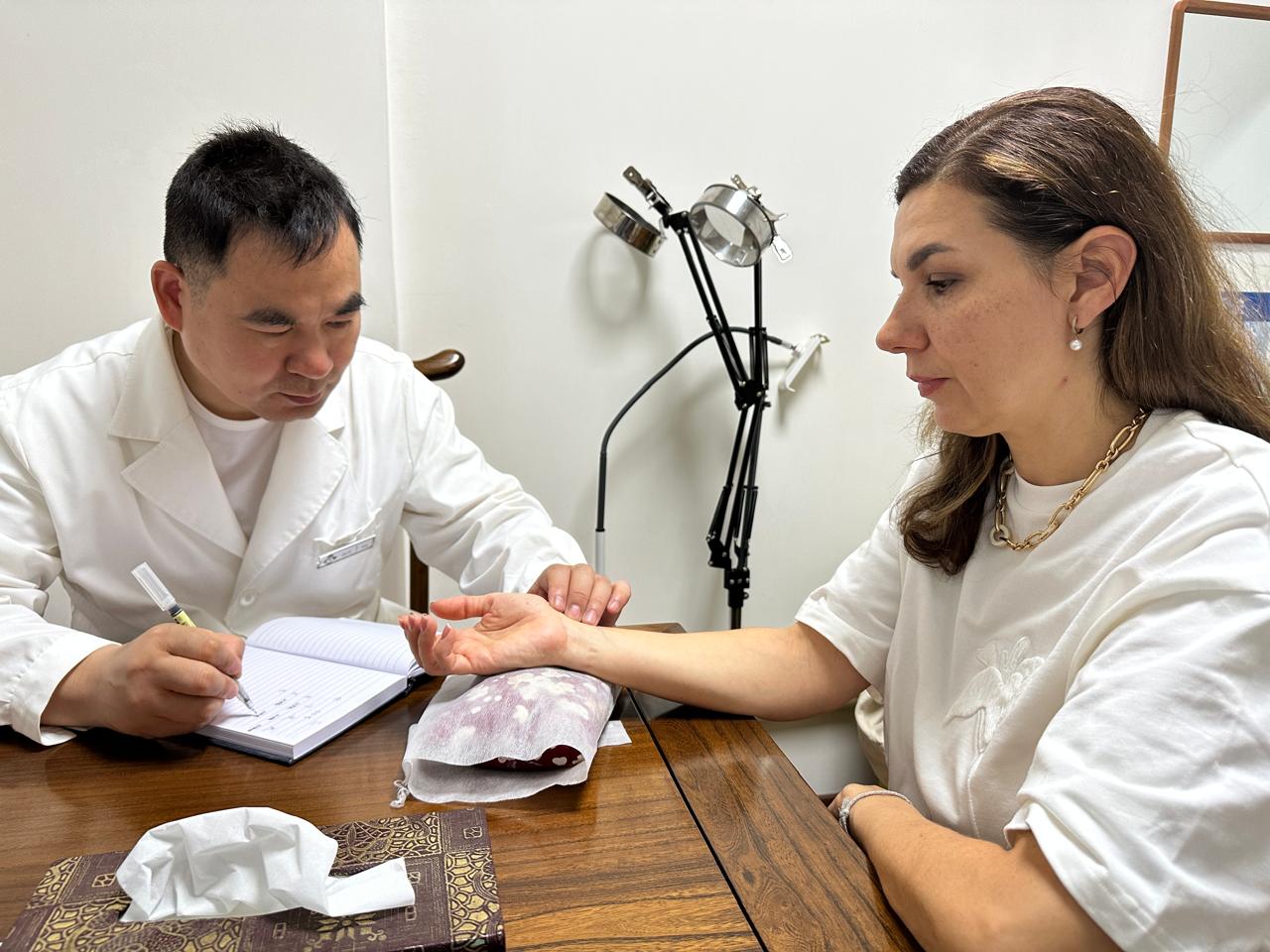
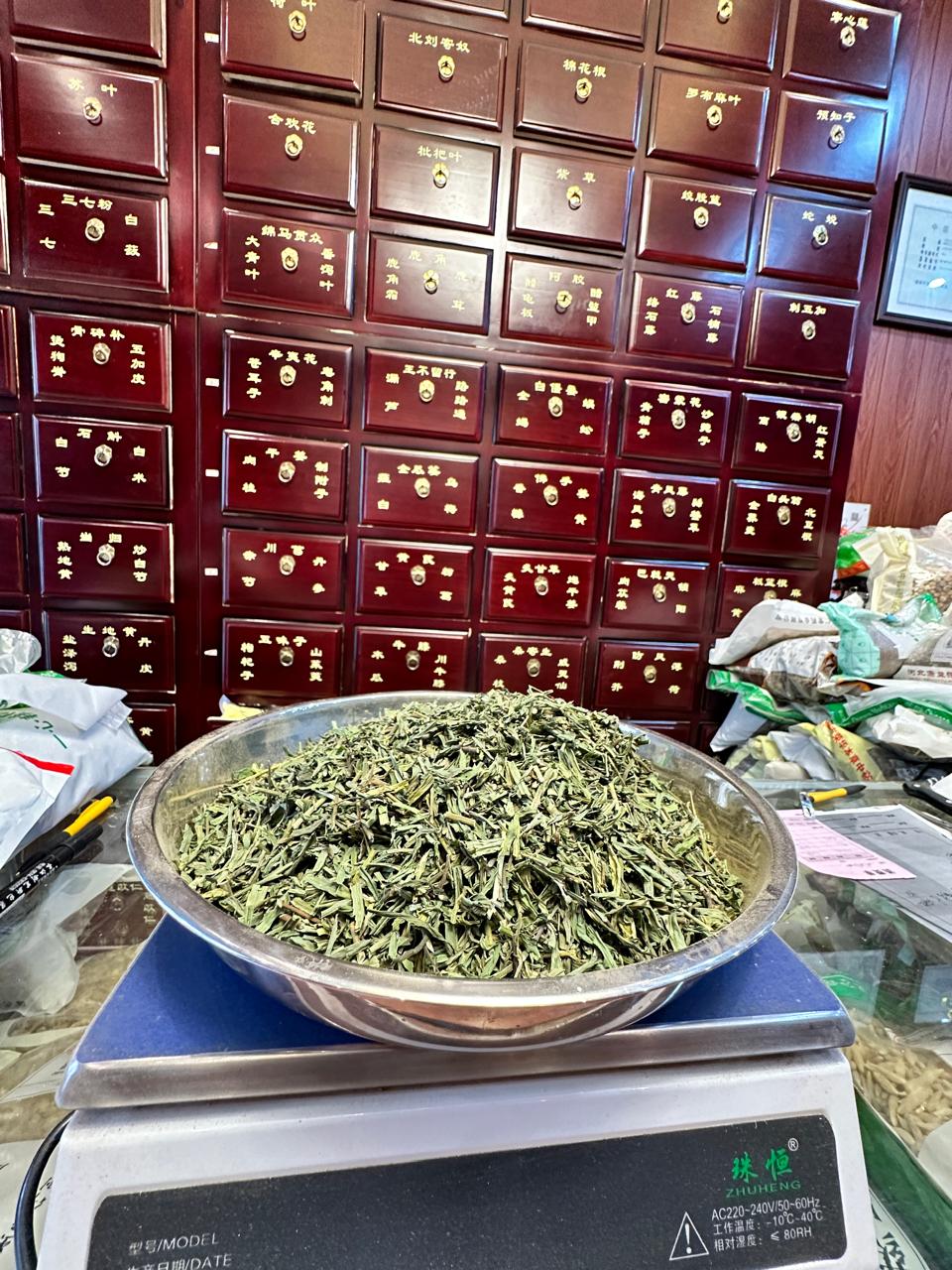
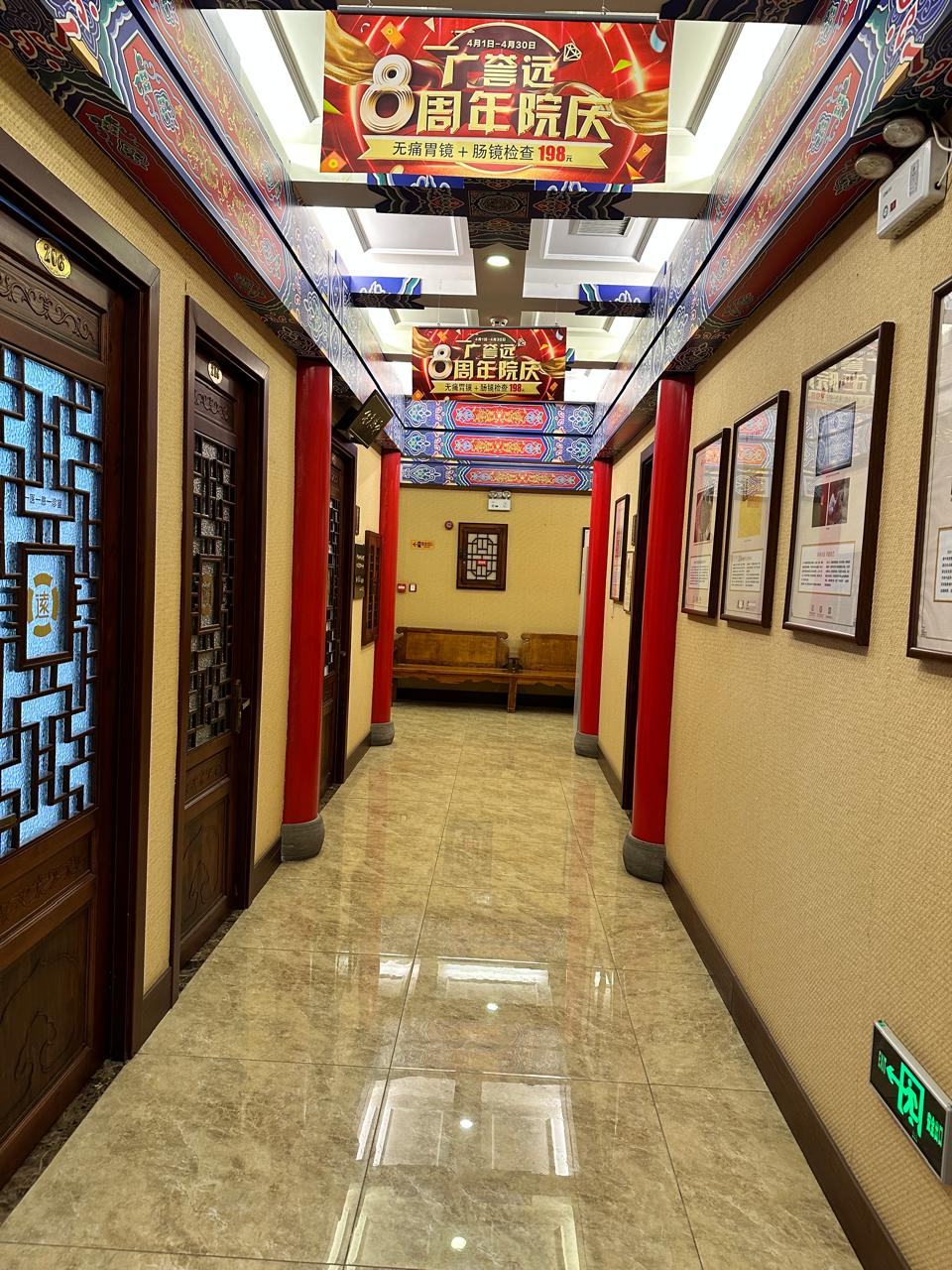
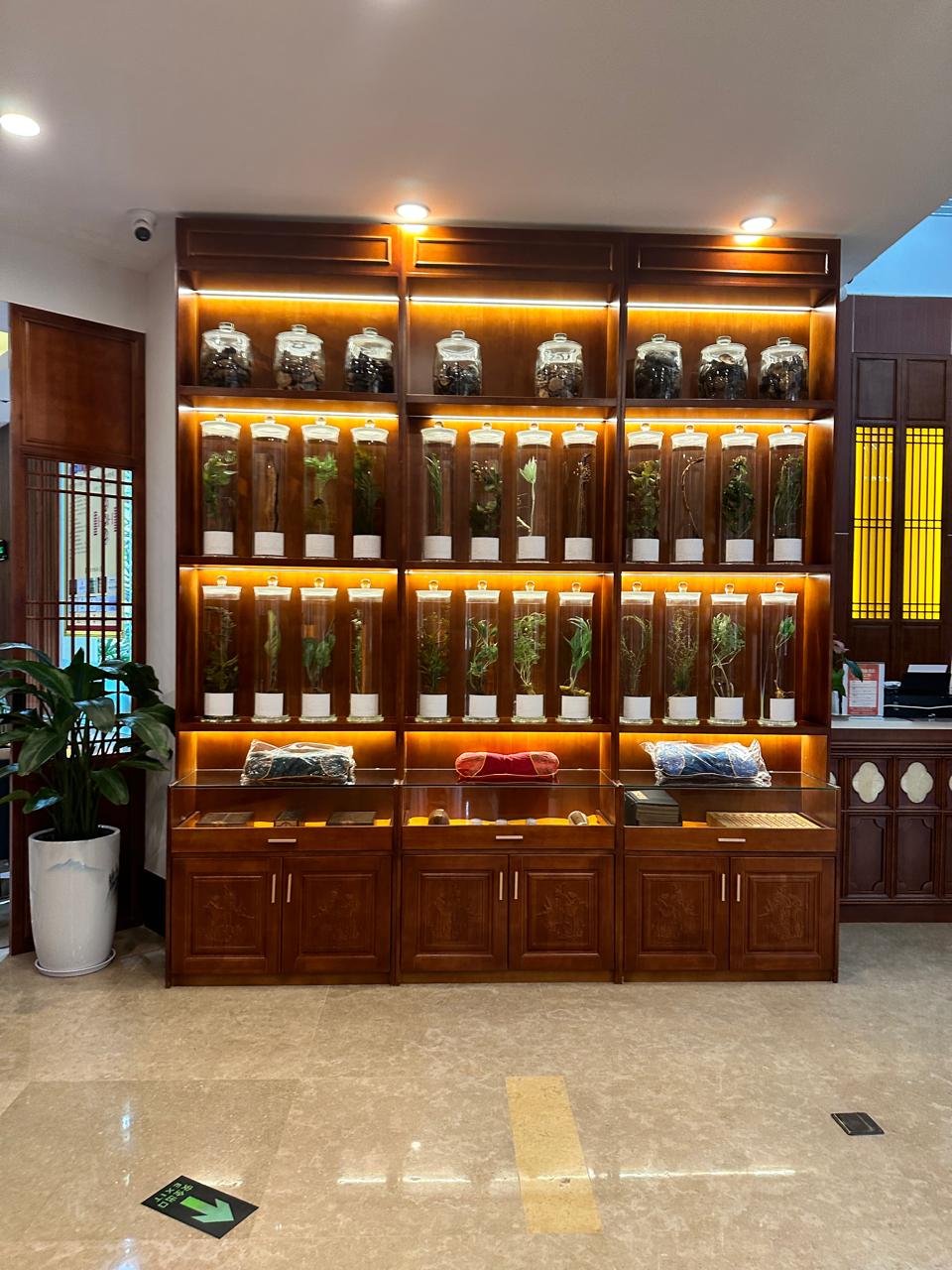
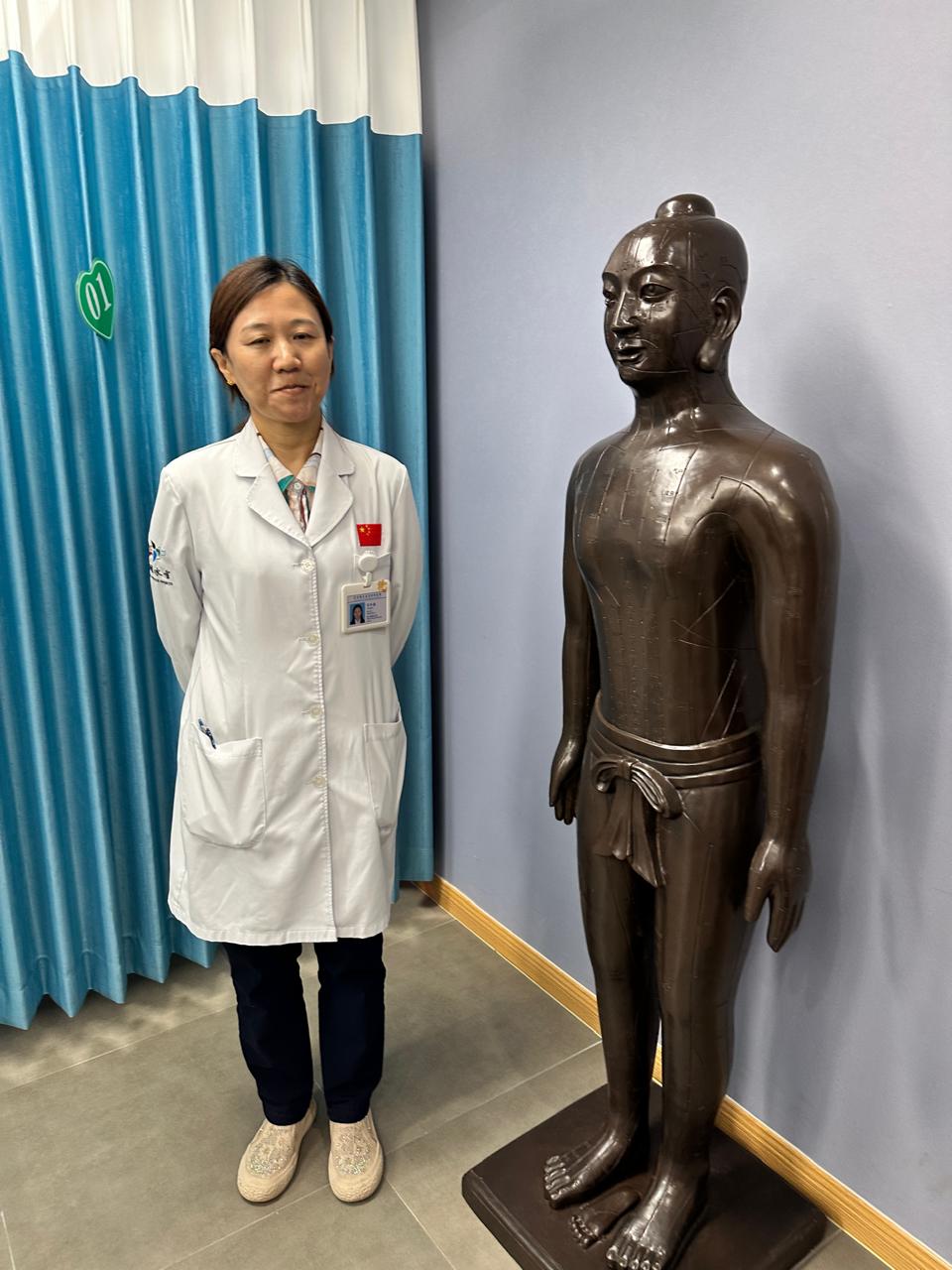
- Private medicine. It is mainly represented in the form of hospitals with the main focus of traditional Chinese medicine. These hospitals can be either very small or larger-scale projects - everything also depends on the financing and purpose of the hospital opening. Such clinics are divided into purely tourist ones (they are aimed at patients coming from other countries), and clinics aimed at the local population, but ready to receive foreign patients as well. The cost of treatment in "tourist" clinics is often more expensive.
The most important rule is that if you do not see Chinese patients at the clinic, this is a reason to think about how high-quality services are offered here.
It all depends on your goals: if you want to tone up your body and heal a little, it won't be a problem. But if the problem you are going to the clinic with is more serious, then perhaps this is a reason to look for another hospital.