NK cell immunotherapy in China, Japan and South Korea.
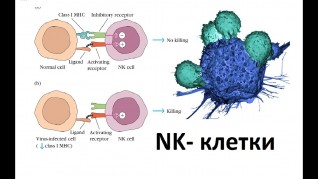
What are NK cells?
NK cells are called natural killer cells (NK), which are important immune cells in the body along with T cells and B cells. NK cells are our body's first immune barrier; they have a natural ability to recognize "enemies" such as viruses, bacteria, cancer cells, etc. that the body encounters.
NK cells usually patrol the blood vessels of the human body like policemen. Once they find abnormal cells, they can immediately identify them and destroy them.
What is NK cell therapy?
NK cell immunotherapy is also called cell therapy in biological immunotherapy.
Cells are usually divided into groups depending on the extraction method. NK can be extracted from the patient's body, cord blood, or a donor.
After extraction, the cells are activated and cultured in the laboratory so that they can effectively detect and destroy tumors and other harmful cells, and then return them to the patient's body.
The advantage of therapy is that the number of NK cells can be increased thousands of times by in vitro (in vitro) cultivation, and then significantly enhance immunity after their introduction into the human body, thus having a therapeutic and preventive effect.
According to research, NK cell transfusion can significantly reduce the risk of recurrence and metastasis after cancer removal surgery.
Disruption of NK cell activity during surgery is closely related to tumor recurrence and metastasis after surgery.
On the first day after surgery, the function of NK cells will be significantly reduced, and the degree of decrease is proportional to the degree of tumor metastasis.
That is, the more severe the NK cell dysfunction, the higher the chance of tumor recurrence. To cope with this situation, scientists recommend using cytokines that enhance immune function during the perioperative period, such as IL-2, GM-CSF, TNFa, IFNa, etc.
These cytokines can enhance the activity of NK cells, thereby reducing the risk of tumor recurrence and metastasis after surgery.
The researchers studied and analyzed the survival time of 1,173 breast cancer patients who underwent surgery and 250 breast cancer patients without surgery, and found that there were two peaks in mortality among surgical patients in the third and eighth years, respectively, while there was only one peak in mortality among non-surgical patients., which occurred in the fourth year. In other words, the surgery itself can sometimes accelerate the recurrence and metastasis of tumors.
Treatment with NK cells is possible both in combination with the prescribed basic therapy and can be used as monotherapy.
NK cell therapy is possible for cancers of the breast, cervix, ovaries, brain tumors, primary liver cancer, lung cancer, stomach cancer, esophagus, colon cancer, blood cancer, lymphoma, gallbladder cancer, pancreatic cancer, kidney cancer, prostate cancer.
Postoperative treatment strengthens the therapeutic effect and prevents tumor metastasis and recurrence; Increases the effectiveness of radiation and chemotherapy for patients.
NK immune cell therapy has a wide range of indications, its effectiveness is 93% for various tumors at an early stage and 75% for tumors in the middle and late stages.;
NK therapy is usually performed after chemotherapy, as CT, let's say, prepares the ground for better activation of these cells. However, it is impossible to combine these types of therapies, because they neutralize each other.
NK therapy is most effective in combination with immunopreparations such as Keytruda (Pembrolizumab), Opdivo (Nivolumab) and Lenvantinib (Lenvima), and the choice of combination depends on the type of cancer and the presence of mutations.
At least 6 courses of combined immunotherapy are required to achieve the effect of such treatment.
A clinical case of NK cell monotherapy:
In July 2023, the industry journal Cancer Reports published an interesting research report. A 64-year-old patient with colorectal cancer stopped relapsing and metastasizing, and her disease was effectively controlled after receiving two cycles of NK cell therapy.
In December 2018, the woman underwent a transverse colectomy, and a postoperative pathology report showed that she had stage III adenocarcinoma of the transverse colon with positive lymph node involvement.
Two months after the surgery, her carcinoembryonic antigen (CEA) level was 1.3 ng/ml, but she refused chemotherapy. Six months later, PET-CT showed that the interstitial lymph nodes tested positive for glucose uptake, and the tumor had recurred. The clinical group decided to prescribe NK cell therapy for her.
After two cycles of treatment, PET-CT scans showed no further glucose uptake by the body, indicating that the tumor had not spread further. Even more gratifying is that not only did the patient's immune side effects disappear in the affected area, but her daily life returned to normal. As of December 2022, she still has no signs or symptoms of local recurrence and no chronic heart or lung conditions.
To date, clinical trials are underway that have entered the final phase in several countries with which we work.
These are Japan, South Korea, where "their NK cells" are mainly treated, and China, where NK cell-based drugs already exist that are suitable for a large number of patients.
The use of NK cells taken directly from the patient is more studied.
However, this method has its weaknesses.: Since the patient's body is often weakened from treatment with antitumor drugs or surgery, it is difficult to cultivate a large number of NK cells and the activity of such cells is insufficient. Low levels of native NK cells after cultivation may indicate the futility of using such therapy.
What should those who cannot use their own NK cells for treatment do?
In China, there is a drug containing NK cells based on cord blood, TOP (antitumor optimized protein) NK cells.
aTOP NK cells are based on Langju's unique culture technology. NK cell surface membrane proteins are optimized for various tumors, which makes them more migratory, closer to tumor cells, and easier to penetrate into solid tumors. As a result, their anti-cancer and antiviral capabilities are more than 10 times higher than those of conventional NK cells.
The expression of CD56bright/CD16+ on Langju aTOP NK cells exceeds 99.2%, which indicates the ultrahigh purity of the cells.
Langju aTOP NK cells enhance the expression of the CXCR3 chemokine receptor on the cell membrane, significantly increasing the ability of cells to migrate and infiltrate tumors through the chemotactic axis.
NK Langju aTOP cells enhance the expression of natural cytotoxic receptors such as NKp44 and NKp46, greatly improving the effect of destroying NK cells of tumors, viruses, etc.
NK Langju aTOP cells are distinguished by the stable purity of the product ≥99%. Cell-specific antitumor markers have been optimized to increase the effectiveness of destroying various tumors by more than 10 times. It is recognized as highly active, can effectively remove senescent cells (for example, dead T cells) and is also highly safe from cellular products.
aTOP NK cells can simultaneously kill viruses, bacteria, tumor cells, transplanted tissues, parasites and other pathogenic microorganisms without the need to activate the immune system.
It kills old and dead cells in the body, reduces the inflammatory response, improves skin smoothness and prolongs life by 20-30%.
aTOP NK cells can enhance the growth of epidermal cells and improve the beauty of the skin.
It secretes various cytokines: IFN-V, TNF-Q, TNF-B, IL-1 and GM-CSF, which are able to effectively fight free radicals and are extremely effective in preventing diseases and improving the microenvironment of cells.
It directly enhances the body's immunity and prevents diseases. By activating the immune response of B cells, it has a passive immune effect on disease prevention.
Langju aTOP NK cells can be used alone or in combination with various antibodies and have a good therapeutic effect on various tumors such as squamous cell lung cancer, liver cancer, prostate cancer, etc.
Langju aTOP NK cells are suitable for consolidating the therapeutic effect after tumor removal surgery, preventing tumor metastasis and recurrence, and reducing the risk of cancer metastasis and recurrence by about 51%; long-term survival of some early patients increases by 70%, which is especially important for patients after surgery for cervical cancer, breast cancer, prostate cancer , etc .
Enhance the therapeutic effect of radiotherapy and chemotherapy, increase the sensitivity and rate of destruction of cancer cells by radiotherapy and chemotherapy, reduce dosage, reduce the side effects of radiotherapy and chemotherapy, and enhance the body's immunity;
For patients with terminal cancer, this can improve their quality of life, enhance their quality of life, and prolong their life span.;
Langju aTOP NK cell therapy has a wide range of indications, its effectiveness is 93% for various tumors at an early stage and 75% for tumors at medium and late stages.
Today (May 2025), this drug is used in state hospitals in Beijing, Shanghai and Harbin.
You can get detailed information from our managers by sending a doctor for treatment.