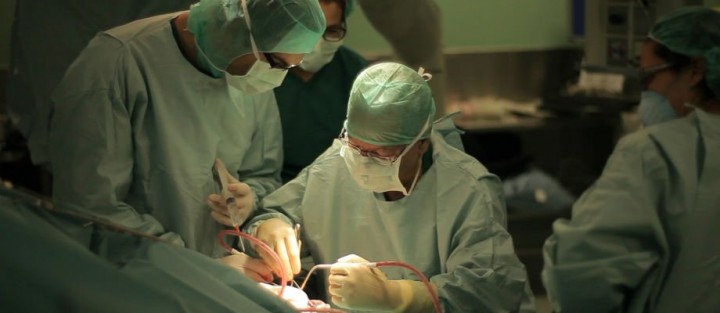
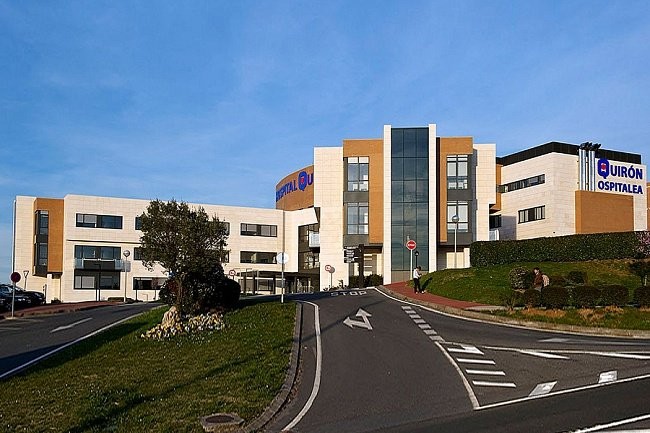
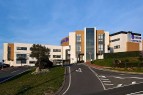


The Barcelona Neurosurgery Institute is a specialized diagnostic and treatment center in Spain focused on surgical management of central and peripheral nervous system disorders. Local physicians have achieved particular success in the removal of benign and malignant tumors, including through the use of stereotactic radiosurgery techniques. The Barcelona Neurosurgery Institute was founded in 1994 at the renowned Teknon University and serves as its principal scientific and clinical base. The institution is accredited under ISO 9001 standards and is considered one of Europe’s leading centers for the surgical treatment of neurological diseases.
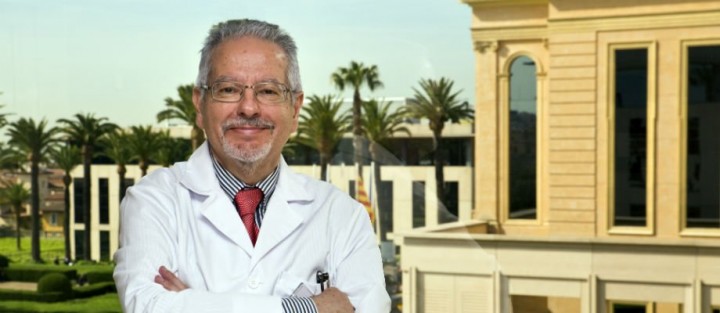
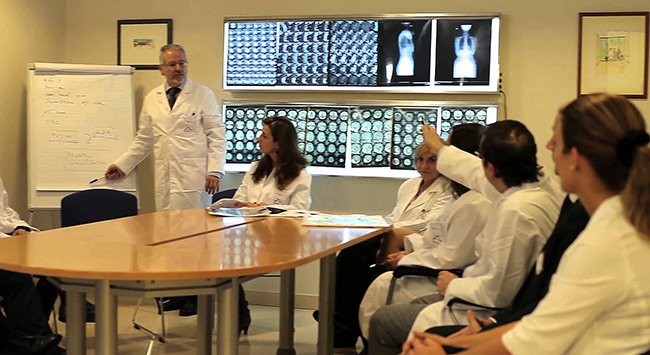
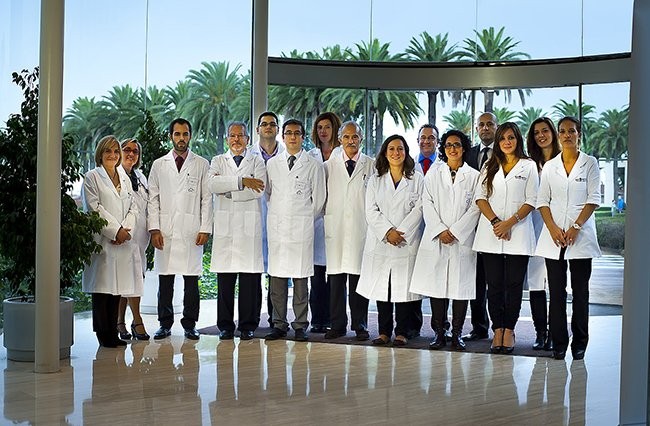
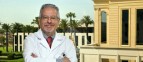
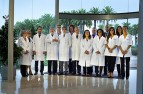
The professional staff of the Barcelona Neurosurgery Institute consists of only seven physicians; however, all are Candidates or Doctors of Medical Sciences and professors. The specialists have repeatedly received prestigious international awards. The team includes such authoritative figures in medicine as Bartolomeo Oliver and Emilia Ayats, who together have performed more than 9,000 successful operations on nervous system structures.
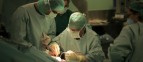
Each year, the Barcelona Neurosurgery Institute removes approximately 150 tumors and implants 500 intervertebral discs. In addition, the following procedures are particularly popular among international patients:
-
Treatment and prevention of acute and chronic cerebrovascular disorders
-
Destruction of malignant brain tumors using Gamma Knife and CyberKnife technologies
-
Transnasal endoscopic brain surgery
-
Removal of vascular malformations
-
Microsurgical discectomy with simultaneous prosthetic implantation
-
Stem cell therapy (treatment with autologous stem cells)
-
Comprehensive postoperative and post-traumatic rehabilitation
-
Rehabilitation after strokes and other critical conditions
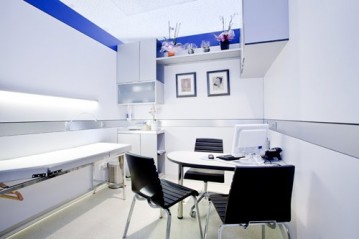
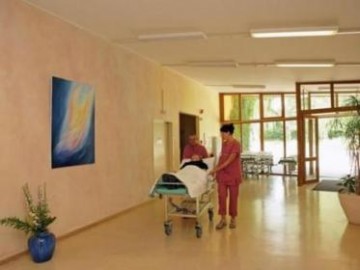
Patients are accommodated in high-comfort rooms equipped with furniture, modern appliances, and private bathrooms. All rooms are fitted with emergency call systems for medical staff. The Barcelona Neurosurgery Institute maintains a friendly, pleasant, and ethical atmosphere. Wards are equipped with assistive devices for patients with disabilities and postoperative needs. Meals are provided on a full-board basis. Upon request, patients may stay with an accompanying person, relative, or caregiver. Staff members speak foreign languages, and professional interpreter services are available if required.

 Orthopedics