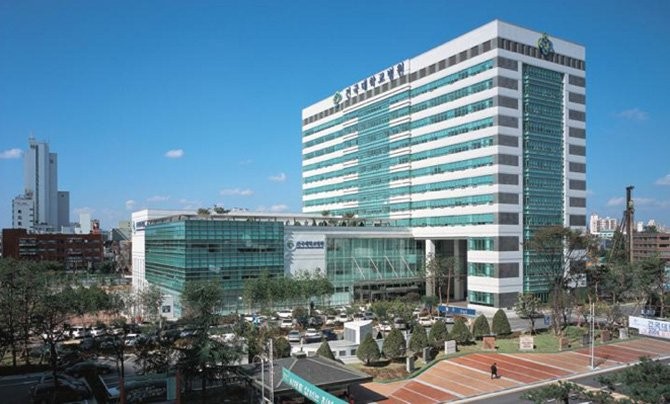



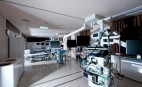



Konkuk University Medical Center began operations in 1931 and has undergone several reorganizations and relocations. Today, it is the largest multidisciplinary hospital in Seoul. The total area of the hospital and adjacent territory is 83,000 square meters. The inpatient facility has 870 beds. The center consists of a 13-story above-ground building with four underground levels and includes outpatient services, an emergency department, inpatient wards, operating theaters, intensive care units, and other facilities.
In 2017, Konkuk University Medical Center became the first medical center in Korea to be equipped with an experimental pathology laboratory. The department admits patients with end-stage severe diseases for experimental and innovative treatment.
The center includes the following departments:
-
Thoracic and cardiovascular surgery
-
Nuclear medicine
-
Oncology
-
Endocrinology and metabolism
-
Ophthalmology and ophthalmic surgery
-
Orthopedics
-
Hemato-oncology
-
Psychiatry
-
Pain management
-
Plastic and reconstructive surgery
-
Pediatrics
-
Radiology and radiation oncology
-
Pulmonology and allergology
-
Rheumatology
-
Urology
-
Nephrology
-
Gastroenterology
-
Rehabilitation medicine
-
Neurology and neurosurgery
The women’s clinic includes a maternity hospital and an ART unit providing IVF, ICSI, IMSI, and IUI procedures. More than 2,000 healthy babies are born here each year.
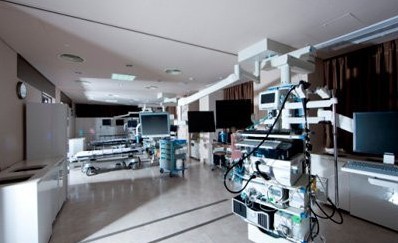
The center also operates specialized units for gynecologic oncology, stereotactic surgery, gastric cancer, hepatocellular carcinoma, colorectal cancer, and lung cancer. Departments use the latest medications, including targeted therapies. Surgeries are performed using next-generation Da Vinci robots, Gamma Knife and CyberKnife systems, electrocautery devices, endoscopes, and other advanced equipment. Physicians strive to move away from traditional traumatic oncology treatments toward more effective and safer methods.
The medical staff consists of highly competent physicians with excellent reputations, including internationally recognized specialists. Many have received government awards and hold advanced academic degrees.

 Obstetrics and Gynecology

 Plastic Surgery

 Gastroenterology

 Diagnostics

 Cardiology

 Neurosurgery

 General Surgery

 Oncology

 Orthopedics

 Reproductology

 Endocrinology