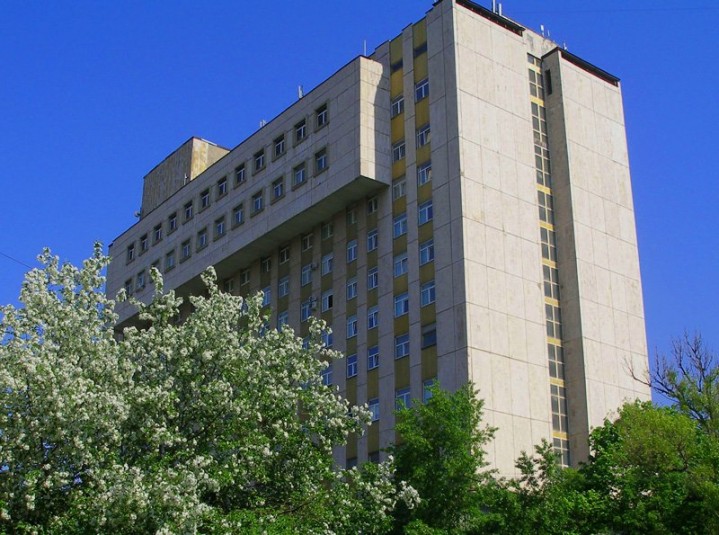
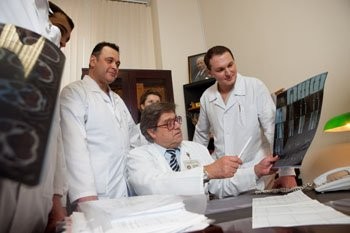
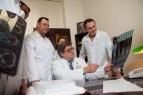


The Academician B.V. Petrovsky Russian Research Center of Surgery is a multidisciplinary clinical complex focused on providing a full cycle of advanced diagnostic and therapeutic services. Founded in 1846, the hospital is considered the oldest and largest medical institution in Russia. It offers patients surgical and conservative treatments of varying complexity, unique organ transplantation procedures, and rehabilitation programs under the supervision of experienced physicians.
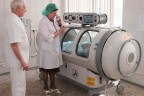
The clinic’s infrastructure includes a large outpatient and polyclinic department, inpatient and day-care units, research facilities, laboratories, operating suites, and intensive care wards. Eighteen operating rooms are equipped with modernized technology that is regularly updated.
Priority areas of the Academician B.V. Petrovsky Russian Research Center of Surgery include:
-
Surgical correction of congenital and acquired heart defects
-
Liver and kidney transplantation
-
Microsurgical procedures on the spinal column
-
Surgical and conservative treatment of cardiac arrhythmias
-
Endovascular (interventional radiology) procedures
-
Resection of neoplasms
-
Reconstructive and plastic surgery of internal organs and soft tissues
Each year, the clinic’s physicians perform more than 6,000 surgical procedures. The center operates over 40 specialized and interdisciplinary departments. The hospital staff includes 200 physicians with excellent reputations and outstanding professional achievements.
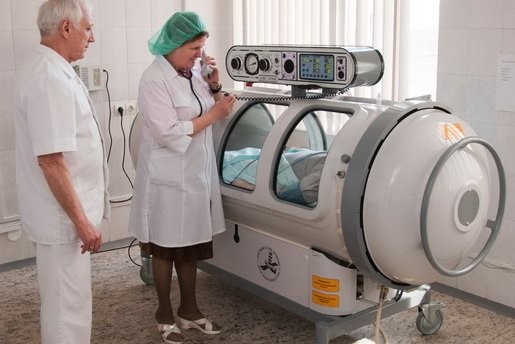
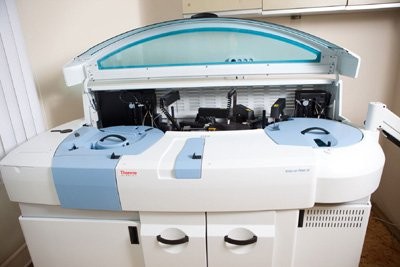
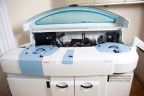
The clinic is equipped with state-of-the-art European devices and instruments for video endoscopy, all types of tomography, ultrasound diagnostics, laboratory testing, robotic surgery, and other advanced diagnostic and therapeutic procedures. The institution also features rehabilitation units where patients undergo comprehensive, multi-stage recovery under professional supervision.
The primary objective of the center’s physicians is to avoid surgical intervention whenever possible. However, when surgery is required, preference is given to minimally invasive techniques, as they preserve healthy tissues and structures, allow for faster recovery, and are better tolerated by patients.

 Obstetrics and Gynecology

 Gastroenterology

 Diagnostics

 Cardiology

 Neurosurgery

 General Surgery

 Oncology

 Orthopedics

 Reproductology

 Transplantation

 Endocrinology