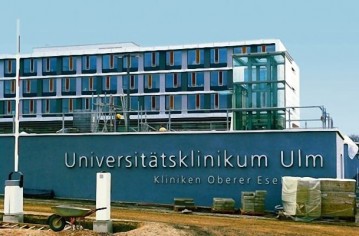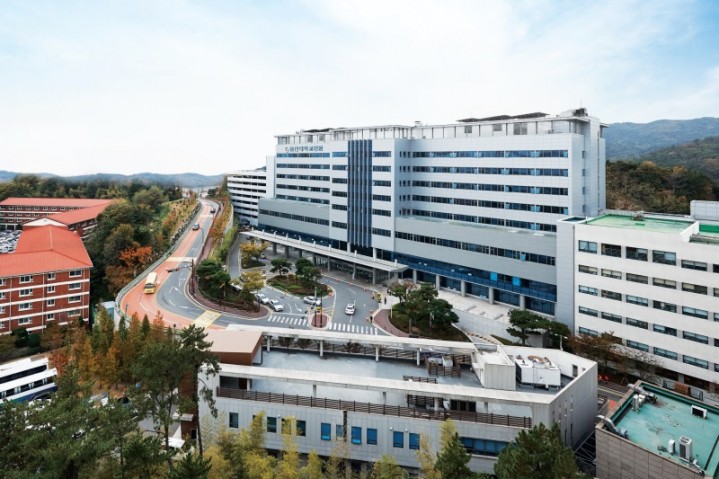
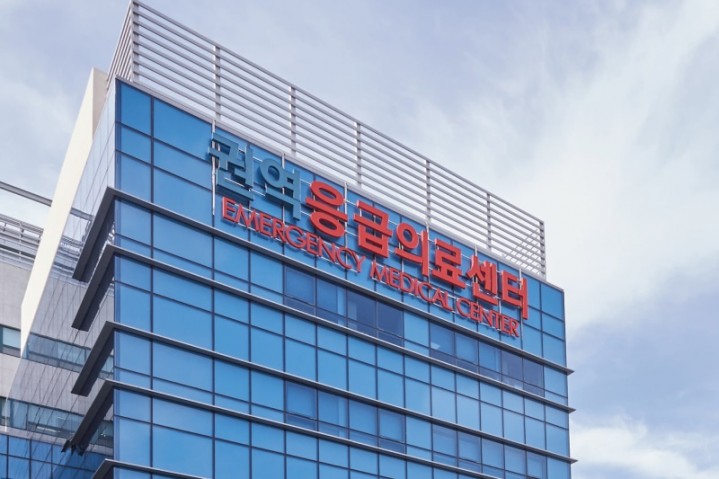
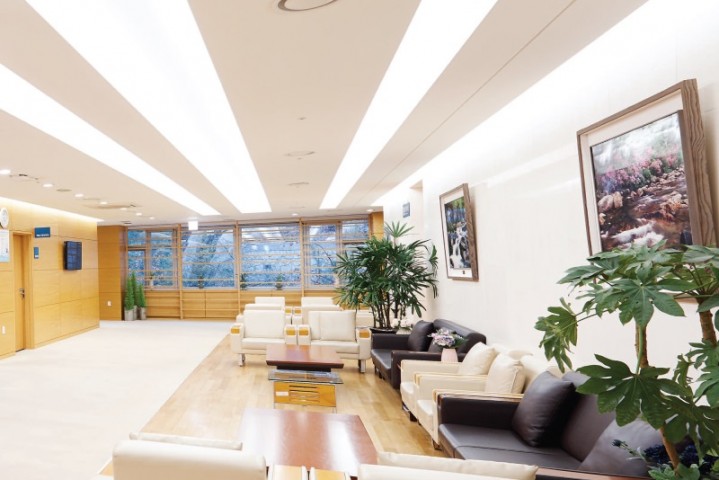
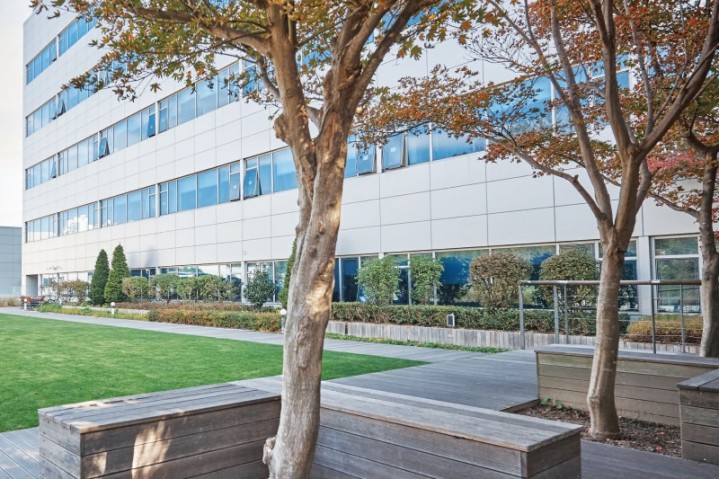
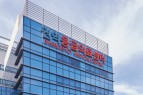
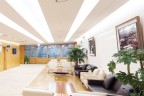
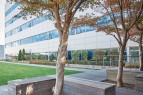


Ulsan University Hospital was opened in 1975. It is one of the largest and most high-tech medical institutions in its region, fully comparable to major multidisciplinary centers in Seoul.
The hospital comprises 32 departments and 16 specialized centers focused on the treatment of cancers of various organs, stem cell therapy, organ transplantation, and cardiology. The core focus of the center is the management of complex cases, high-risk surgeries, and transplantation of organs and bone marrow.
In addition to clinical practice, the hospital is actively engaged in scientific research, conducting its own studies and clinical trials, the results of which are directly applied in medical practice.
Ulsan is one of the leading clinics in its region and has received multiple awards, including:
-
Level 1 ranking in 15 medical fields in 2013 and in 12 fields in 2017 according to the Health Insurance Review and Assessment Service,
-
recognition as the best intensive care center in 2013–2014,
-
Level 1 ranking in the treatment of gastric and lung cancer, as well as pneumonia.
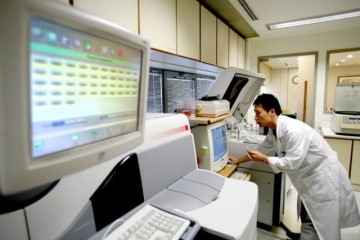
Ulsan uses state-of-the-art equipment for both diagnostics and treatment, including:
-
tomosynthesis mammography,
-
the Da Vinci Xi surgical robot (the most advanced model currently available),
-
the TrueBeam system for precise and rapid radiosurgery of tumors,
-
the Acuity radiation therapy simulation system for treatment planning,
-
digital angiography equipment.
The international department has been operating since 1994. Coordinators speak English, Russian, and Japanese. Their services include travel organization, airport transfer, interpretation, and patient support throughout treatment. Approximately two-thirds of Ulsan’s international patients are citizens of the European Union, the United States, and Canada.

 General Surgery

 Oncology

 Transplantation
 Hematology and oncohematology