Angioplasty abroad means high efficiency, an individual approach and a quick return of the patient to an independent life.
Types of angiosurgery
Angioplasty abroad can be of two types: balloon and laser.
- Balloon angioplasty is the insertion of a special balloon guide into the area of the minimum lumen. Next, the balloon is inflated with air and allows you to expand the narrowed vessels. This intervention is performed under X-ray control, and the final result is checked by injecting a special contrast agent into the body. The procedure is low-traumatic, it is performed through a small incision.
- Laser angioplasty is one of the most effective ways to deal with cholesterol deposits. The main tool of such an intervention is a laser beam that acts on plaques with high temperature. The technique is considered simple and painless.
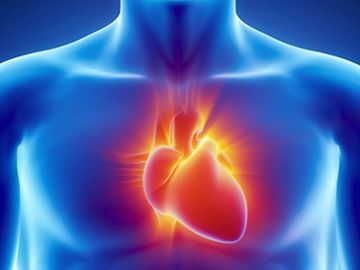
In other words, it can be summed up that angioplasty is a high—tech operation used for various heart diseases. They often involve the use of a specially equipped hybrid operating room equipped with modern medical imaging technology that ensures accuracy and safety.
The cost of angioplasty is calculated individually, depending on the affected area and the type of procedure.
Rehabilitation
Foreign specialists recommend maximum rest to the patient immediately after the angioplasty. The length of stay in the clinic is determined individually, depending on the scope of the intervention and the general well-being of the patient.
Angioplasty involves a fairly rapid recovery of the patient after the intervention, about two to three days.
However, immediately after discharge, it is not recommended to lift weights or take a shower for a while. The patient should drink as much as possible during the first two days to remove the contrast agent from the body.
Doctors may recommend light physical exercises to some clinic visitors, as well as taking aspirin to prevent blood clots.

 South Korea
 China
China
 India
India