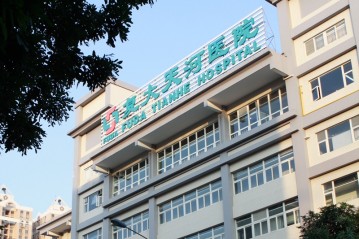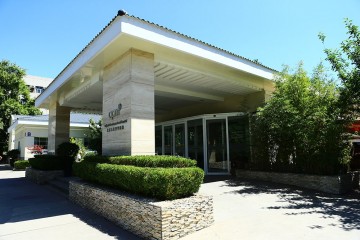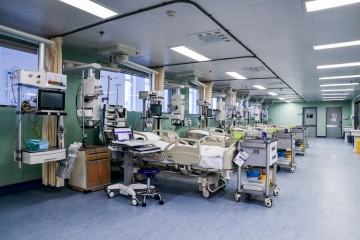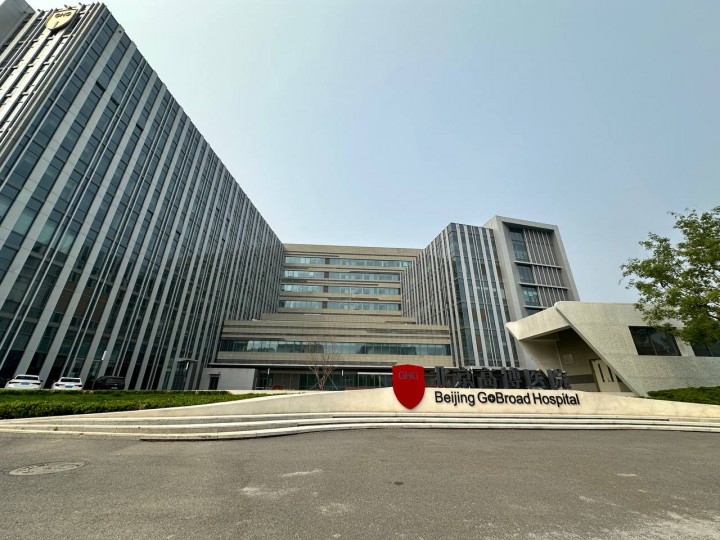
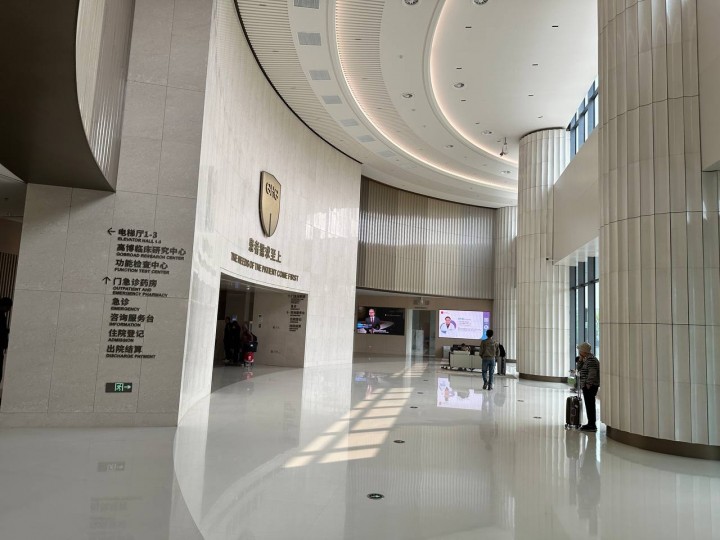
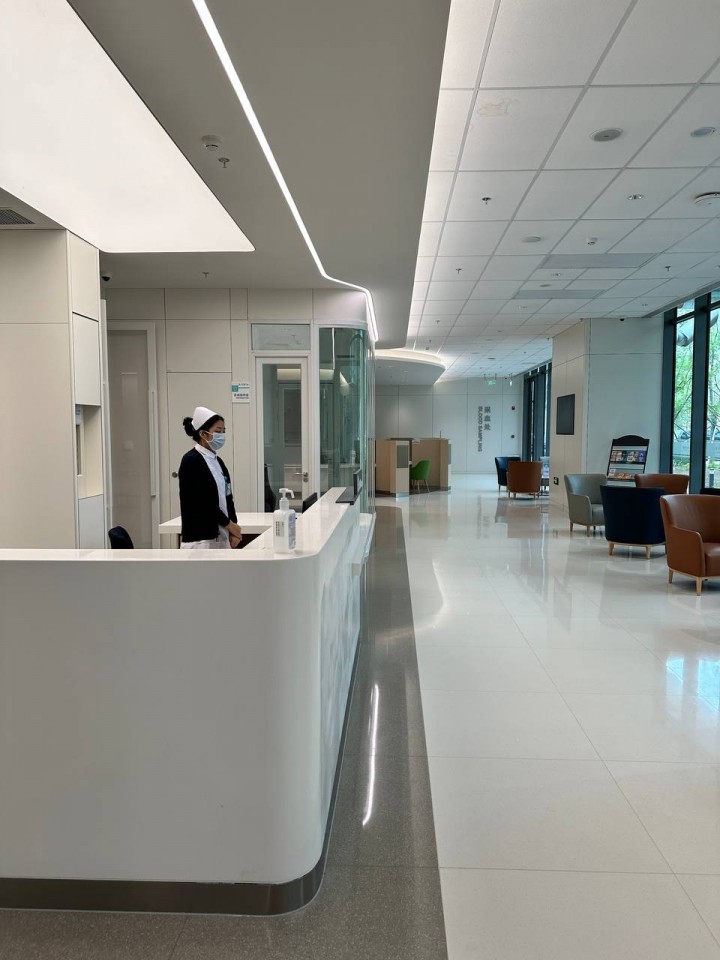
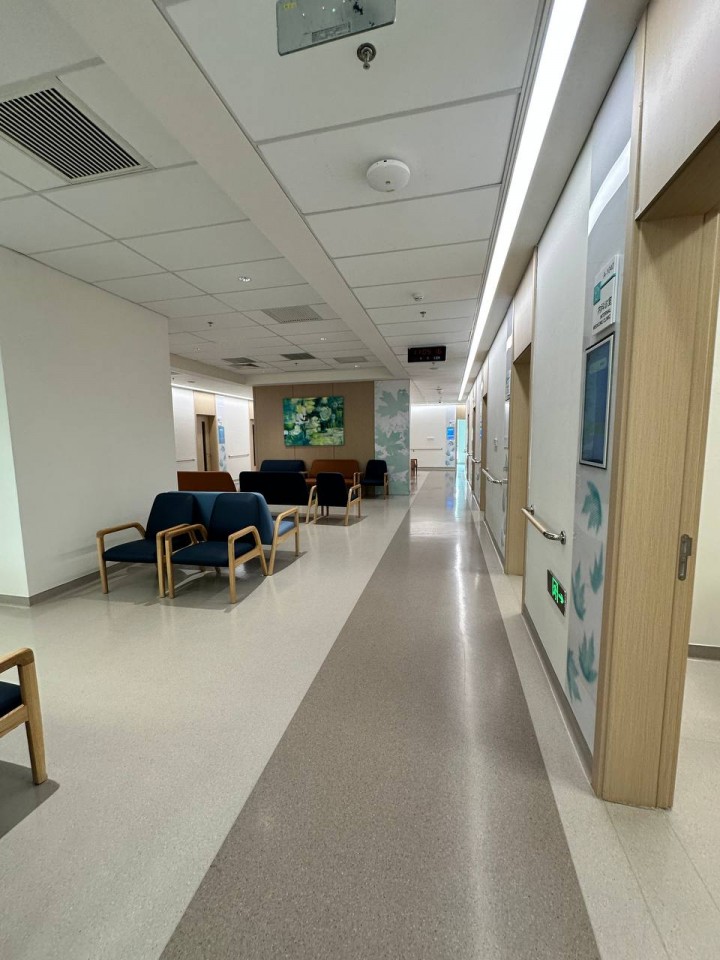
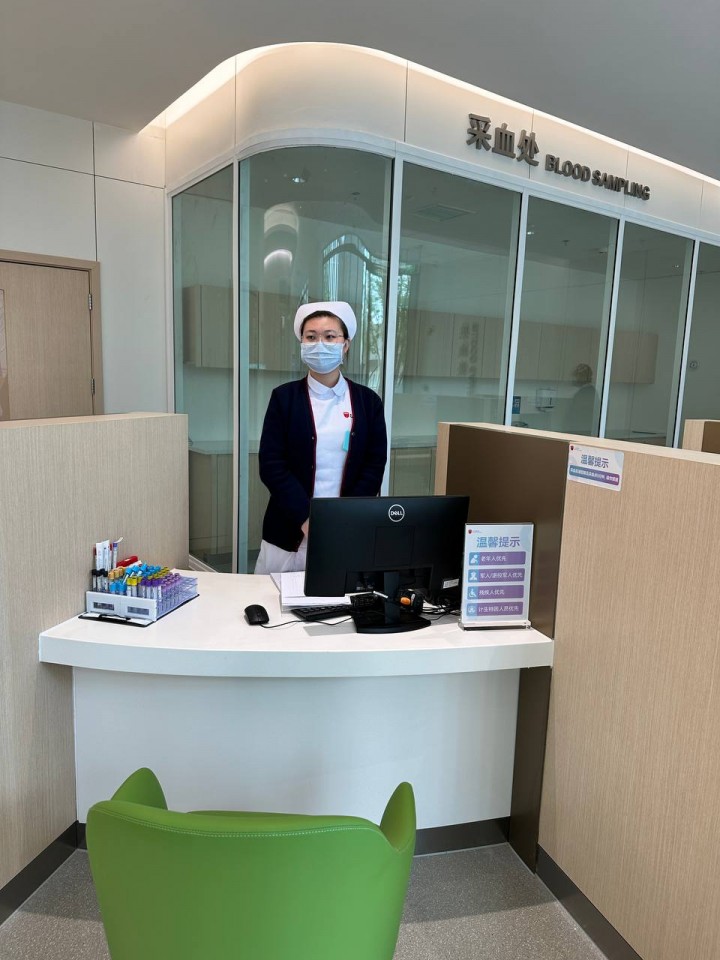
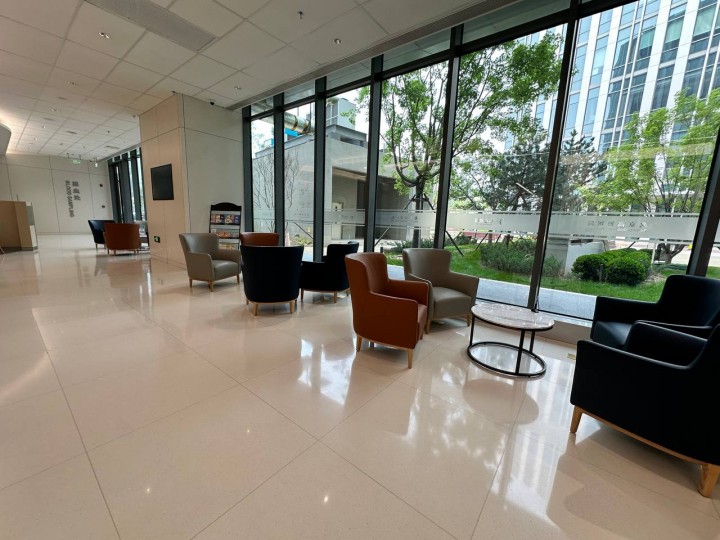
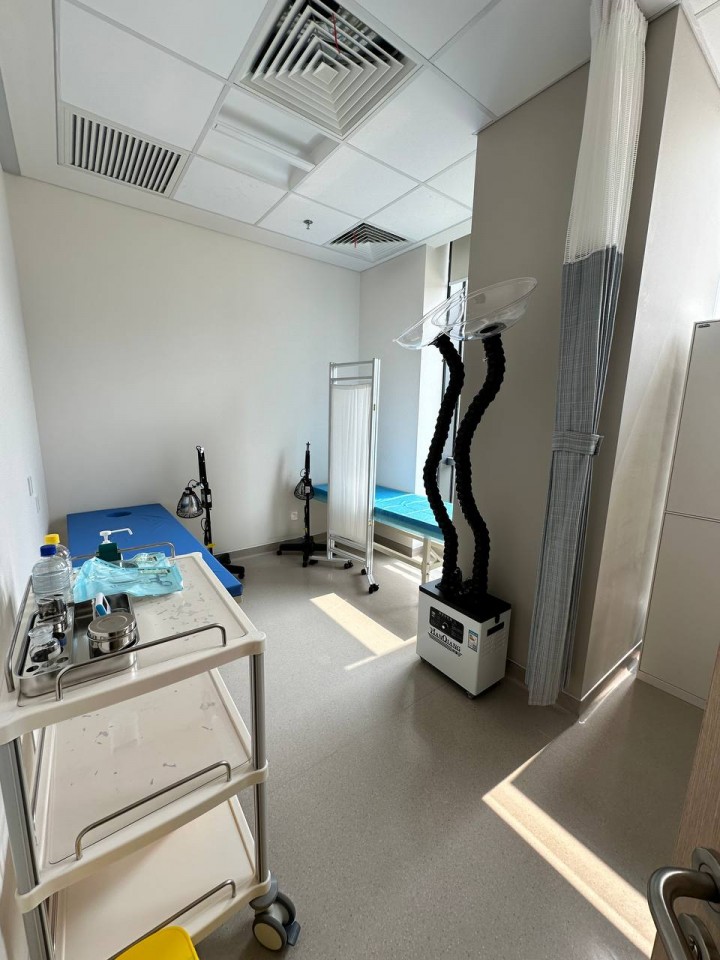
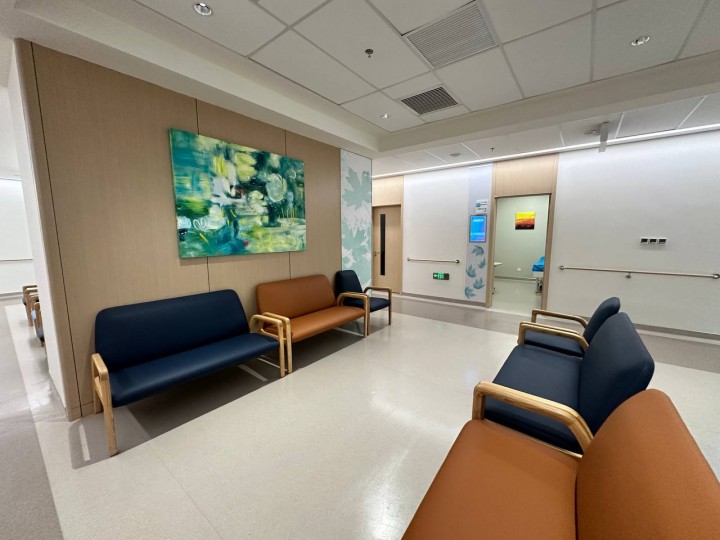
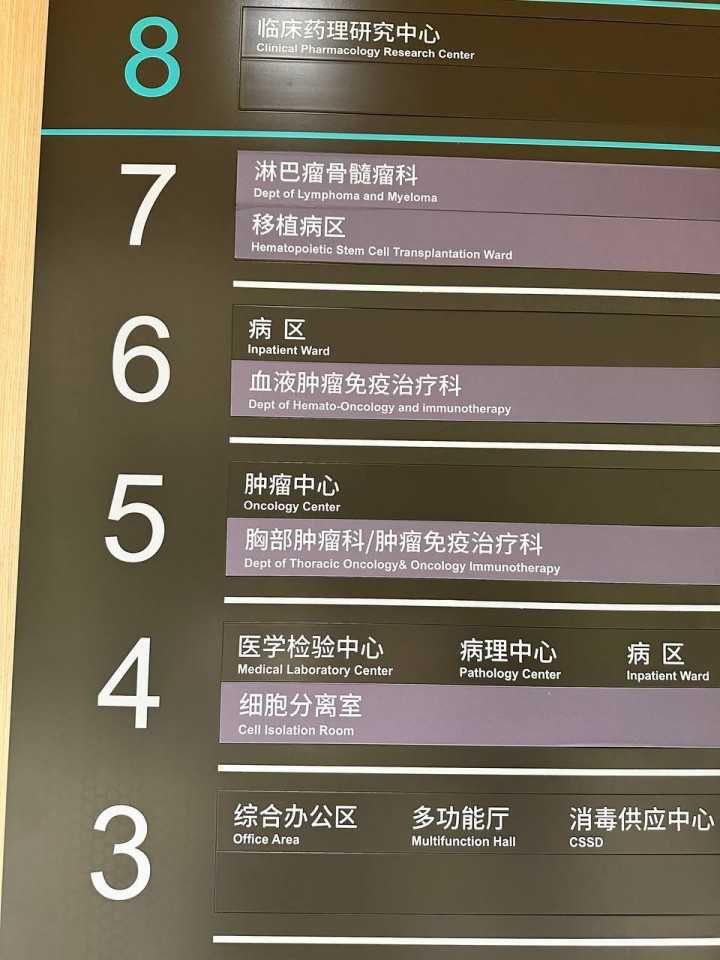
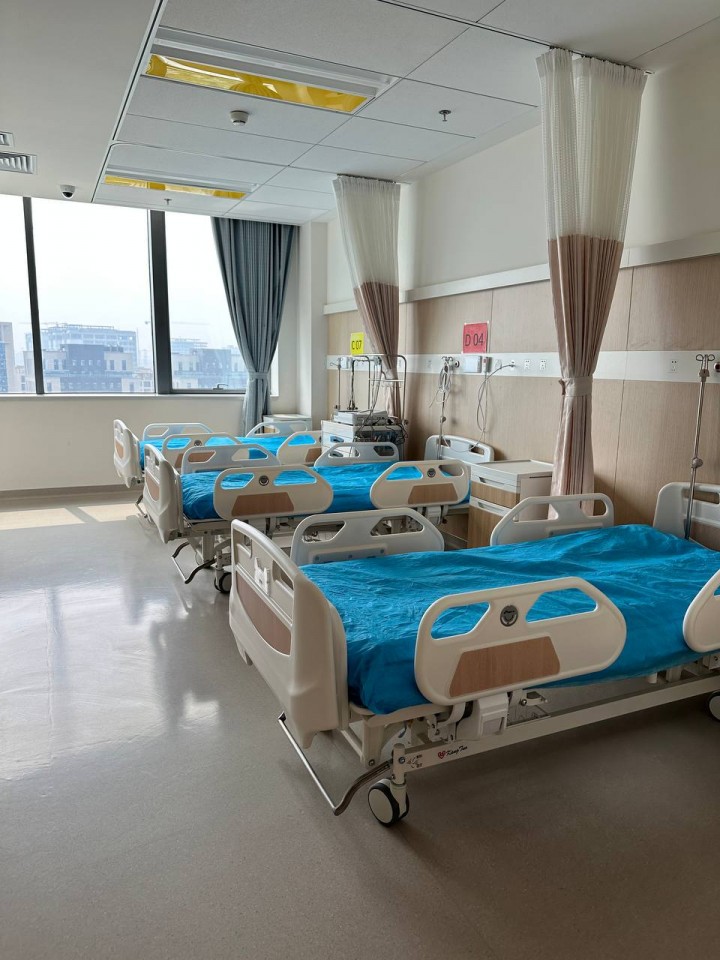
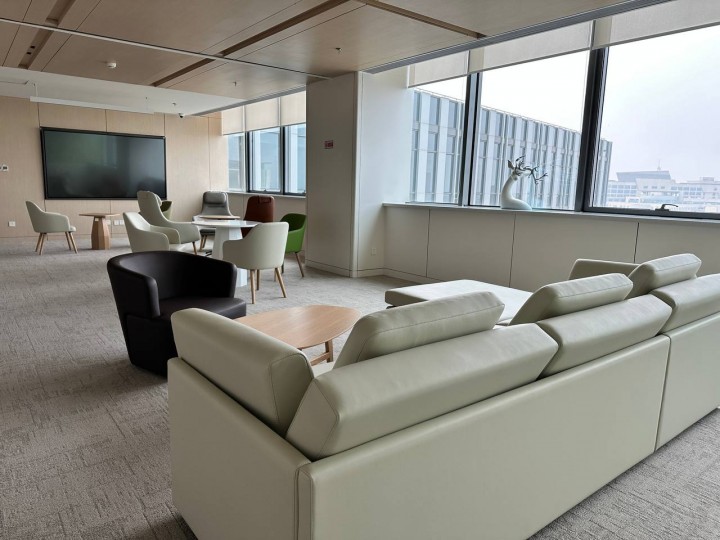
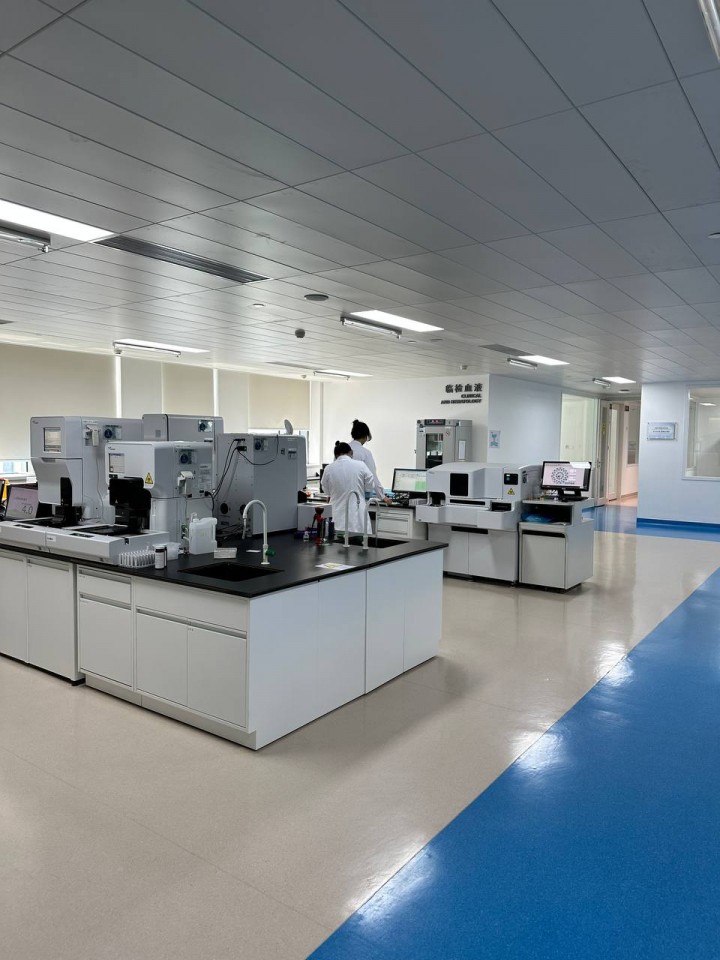
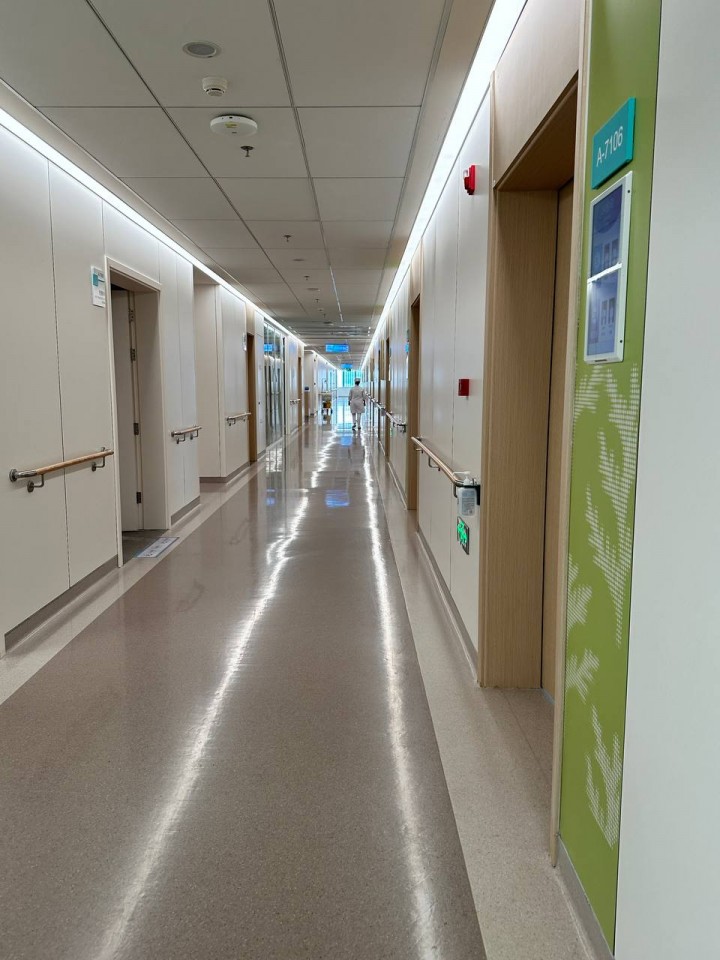
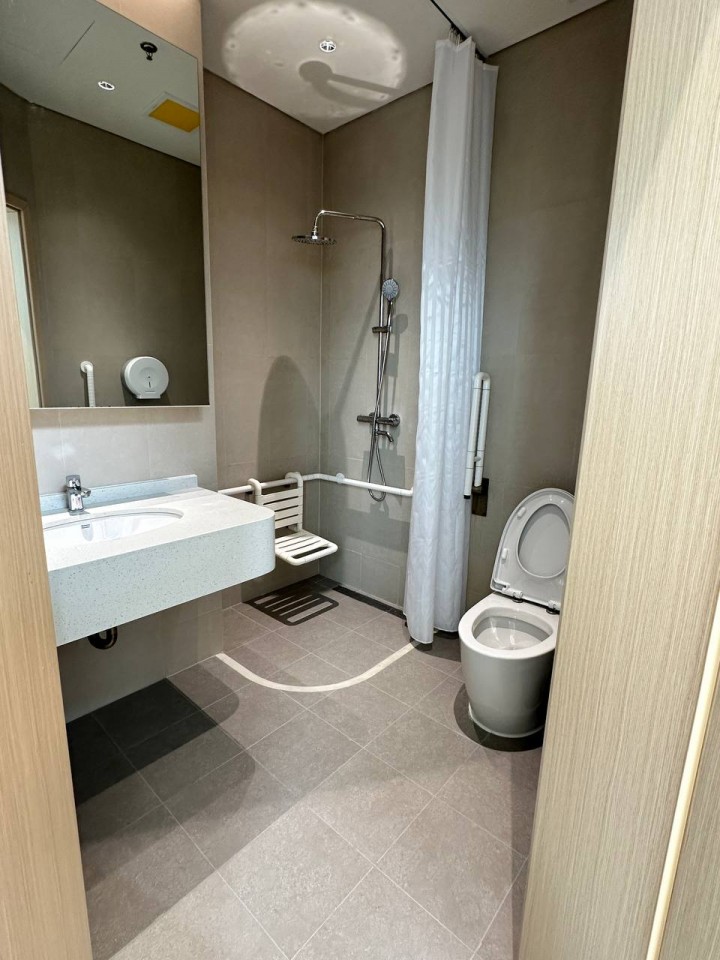
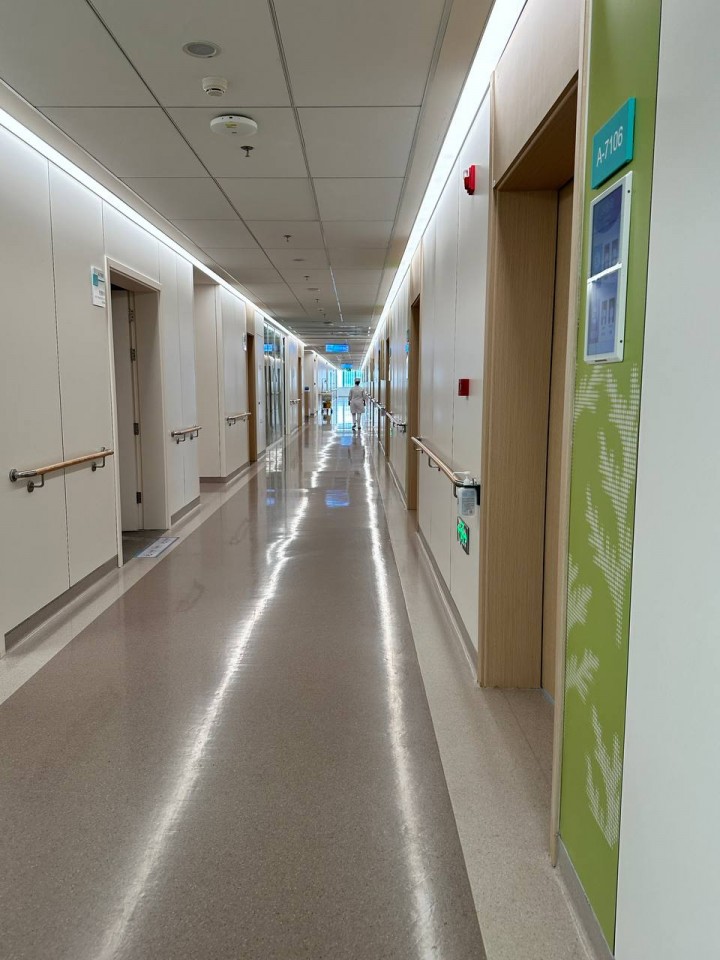
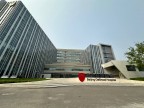
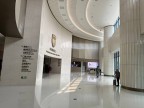
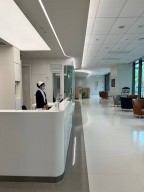
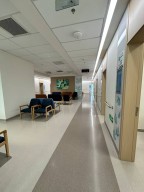
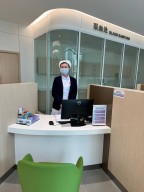

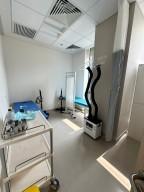
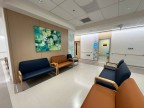
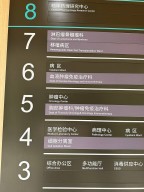
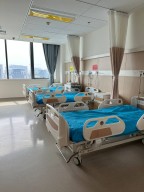

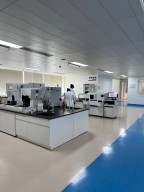
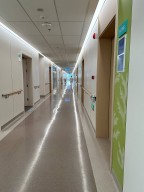
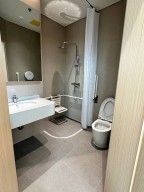
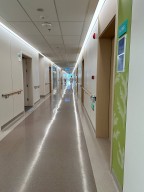



Beijing GoBroad Boren Hospital is a top-tier specialized hematology hospital. The hospital also houses the Beijing Center for Diagnosis and Treatment of Parkinson’s Disease and Movement Disorders, where surgical treatment is provided to patients with severe Parkinson’s disease.
The hospital is located in the Changping Life Science Park in Beijing, occupying an area of approximately 100,000 square meters. It has 500 beds, including 100 beds designated for early-stage research. This hospital is entirely new—it officially opened in July 2023—and specializes in solid tumors, hematological malignancies, and brain science.
Beijing GoBroad Hospital is a research-oriented medical institution specializing in the diagnosis and treatment of complex and critical cases, the conduct of clinical research, and the strategic transformation of the biomedical and medical equipment industries. The hospital has assembled a group of well-known clinical research experts in China, along with a comprehensive clinical research support team. Relying on its clinical research capabilities, the hospital integrates Beijing’s strong foundation in basic research, entrepreneurial enterprises, and research institutions to create a high-level ecosystem for medical innovation.
The Department of General Hematology conducts various types of diagnostics and treatment for blood diseases such as leukemia, lymphoma, multiple myeloma and other hematological malignancies, thalassemia and other anemic disorders, thrombocytopenia, and other coagulation disorders.
- The transplantation department team has extensive experience in the use of hematopoietic cell transplantation for the treatment of hematopoietic disorders and immunodeficiencies, including leukemia, myelodysplastic syndrome (MDS), myelodysplastic/myeloproliferative neoplasms (MDS/MPN), lymphoma, multiple myeloma, aplastic anemia, paroxysmal nocturnal hemoglobinuria (PNH), hemophagocytic lymphohistiocytosis (familial and Epstein–Barr virus–associated), X-linked agammaglobulinemia, idiopathic neutropenia, Wiskott–Aldrich syndrome (WAS), severe combined immunodeficiencies, chronic granulomatous disease, hyper-IgM syndrome, pediatric inflammatory bowel diseases, and other blood disorders.
- The Pediatric Lymphoma Hematology Department diagnoses and treats various types of lymphomas, including lymphoblastic lymphoma, Burkitt lymphoma, anaplastic large cell lymphoma, and Hodgkin lymphoma. Advanced treatment protocols are used, taking into account pathology types, risk factors, and staged assessments during therapy. Treatment is continuously adjusted according to results. Five-year event-free survival exceeds 80% for all types of non-Hodgkin lymphomas and exceeds 90% for Hodgkin lymphomas.
- The Adult Lymphoma Hematology Department team studies new treatment strategies for patients with refractory lymphomas. In cases of relapse after individualized therapy, patients are offered an additional course of treatment with a 75% effectiveness rate. For patients with relapsed lymphoma or myeloma involving the central nervous system, individualized therapy is used with an effectiveness rate of 88.9%.
Based on an accurate diagnosis, the medical team develops an individualized treatment plan that includes targeted therapy, high-dose chemotherapy, and hematopoietic cell transplantation.

 Oncology
 Hematology and oncohematology