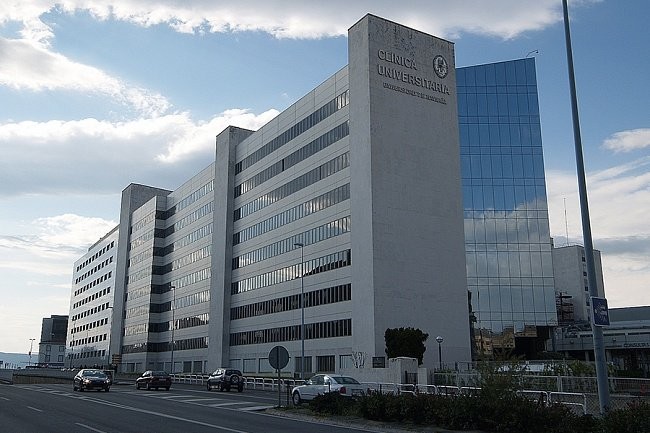






The University Hospital of Navarra is an advanced diagnostic and treatment center serving as a practical base for the local university. Its high-tech equipment, experienced staff, and rich history make it one of the most famous hospitals not only in Spain but also in Europe. Each year, the institution treats more than 135,000 patients, including international patients. Over the years, it has provided medical care to patients from more than 50 countries worldwide. The hospital is accredited and certified by ISO and regularly confirms its compliance status. In 2018, it was awarded JCI certification—the strictest North American authority for healthcare quality control.
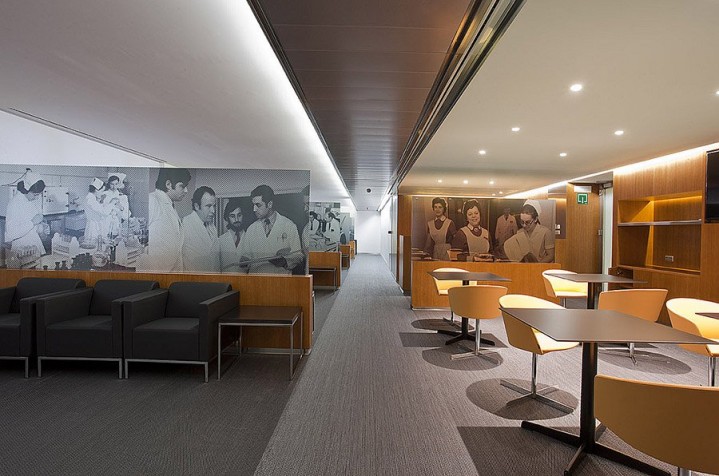
The campus of the University Hospital of Navarra covers more than 75,000 square meters. Its structure includes 60 specialized and interdisciplinary departments. Adjacent to the hospital is the largest Institute of Applied Medical Research, CIMA. The inpatient facility is designed to accommodate up to 350 patients simultaneously. The professional staff consists of 2,500 employees, including 471 physicians of the highest qualification category—Candidates and Doctors of Medical Sciences and university professors.
The hospital’s equipment meets the most advanced and innovative standards. Particular pride is taken in the diagnostic department, where the following procedures are available:
-
CT scans using multislice tomographs
-
MRI on high-field scanners with power ranging from 1.5 to 3 Tesla
-
MR angiography
-
Endoscopic examinations using ABBI and MIBB technologies
-
Scintigraphy (radioisotope imaging of the skeletal system and internal organs)
-
Densitometry
-
Impedance plethysmography using the Bod Pod system
-
Virtual gastroscopy and colonoscopy
-
Diagnostic laparoscopy and arthroscopy
-
All types of tumor biopsies
-
Laboratory analyses of blood, urine, stool, biopsy specimens, and effusions
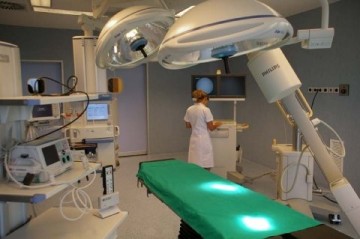
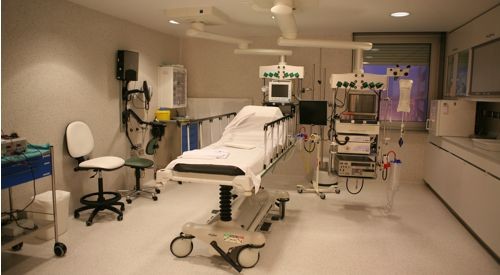
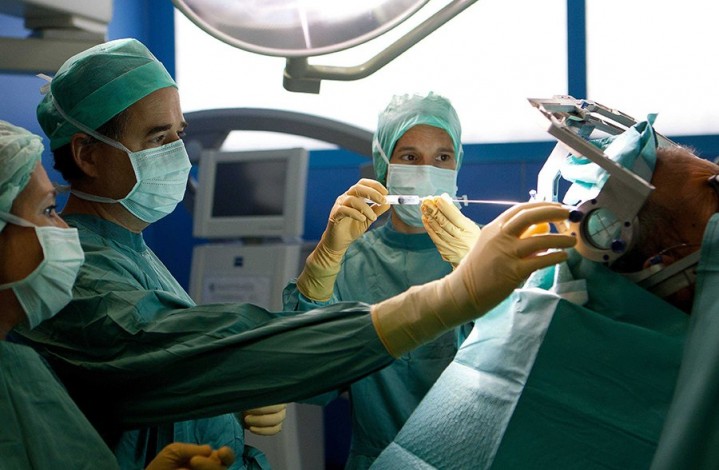
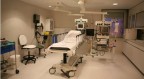
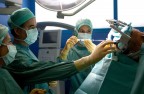
The hospital has 15 operating rooms and intensive care units. It is equipped with robotic systems, video and neuronavigation technologies, stereotactic radiosurgery devices, radiofrequency knives, and laser scalpels. Surgical procedures are performed according to minimally invasive and microsurgical, organ-preserving protocols, allowing for faster patient recovery.
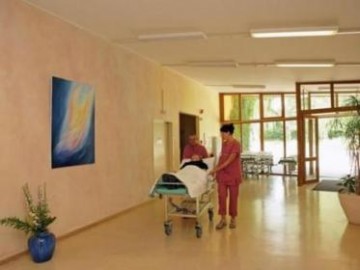
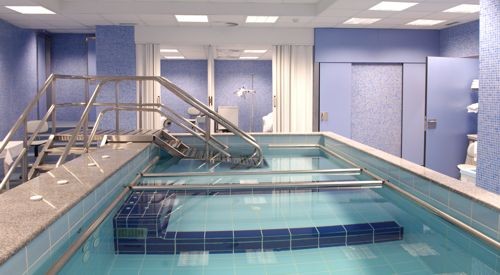
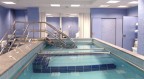
The comfortable inpatient facility is fully equipped to meet the needs of both able-bodied patients and individuals with disabilities. Treatment is also available on an outpatient or day-care basis. Each patient is provided with an individualized rehabilitation plan that can be implemented either at the clinic or at the patient’s place of residence.

 Obstetrics and Gynecology

 Plastic Surgery

 Gastroenterology

 Diagnostics

 Cardiology

 Neurosurgery

 General Surgery

 Oncology

 Orthopedics

 Reproductology

 Transplantation

 Endocrinology