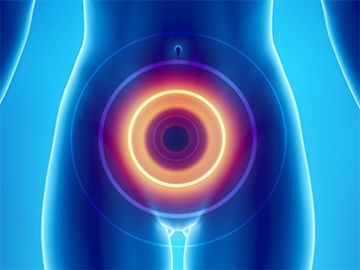
Endometriosis is a common and very dangerous disease in which the cells of the inner layer of the uterine wall grow beyond its limits. Poorly treated endometriosis can lead to the development of tumors, cysts, and infertility.
Treatment of endometriosis abroad
Endometriosis therapy is a long and difficult path that requires the participation of highly qualified specialists, the use of the latest equipment and innovative medical techniques. That is why many women prefer endometriosis treatment abroad.
Diagnosis of the disease
The symptoms of endometriosis may be completely invisible in the early stages of the disease, so timely diagnosis is very important. An examination by a gynecologist does not always give the desired result. Treatment of endometriosis abroad also involves the following ways of detecting the disease:
- Ultrasound helps to detect specific formations (cysts) in the fallopian tubes;
- X—ray of the uterus and fallopian tubes - allows you to identify indirect symptoms of endometriosis;
- hysteroscopy is an examination of the uterus using an optical system;
- Laparoscopic examination — taking a sample of uterine tissue for analysis and accurate diagnosis;
- laboratory blood tests.
Methods of treatment of endometriosis abroad
Treatment of endometriosis abroad is usually carried out in two ways: medical (conservative) and surgical. The patient's further health depends on the treatment approach.
First of all, doctors turn to a conservative method — hormonal treatment. For a long time, the patient uses special medications to get rid of the symptoms and consequences of endometriosis. This method of treatment can be either independent or complementary to surgery.
If hormone therapy has failed to treat the disease, doctors are forced to resort to surgery. In most cases, minimally invasive laparoscopic techniques are used by experienced specialists to treat endometriosis. A special optical device with a camera (laparoscope) is inserted through a small incision near the patient's navel. Under his control, through another incision, the surgeon inserts instruments to remove the endometriosis itself. After such an operation, the patient has practically no scars, and the rehabilitation period is very short.
Recently, conventional laparoscopy has been actively replaced by the use of Da Vinci robotic technology. The four-arm system has all the advantages of laparoscopy, along with increased accuracy and efficiency. Da Vinci removes the risk of infections and ensures minimal pain.
In the most severe cases, treatment of endometriosis abroad involves total hysterectomy, an operation to remove the uterus and cervix.