This is a benign neoplasm.: it grows slowly, does not penetrate into the surrounding tissues, and does not metastasize. But the tumor can become malignant or begin to compress brain tissue, causing neurological problems, so if it is detected, it must be removed. Given the complexity of the operation, many patients prefer to go abroad for treatment of craniopharyngioma.
Diagnosis of craniopharyngioma
Depending on the size or location of the craniopharyngioma, it can lead to visual impairment, headache, diabetes insipidus (excessive urination), abnormalities in the development of the reproductive system, and obesity. If these signs occur individually or collectively in a child or teenager, this is a reason to consult a neurologist and undergo a diagnosis.
X-rays are practically not used due to their lack of information, most doctors prefer CT and MRI scans, which allow them to visualize the tumor and accurately determine its size.
Surgical methods of treatment of craniopharyngioma abroad
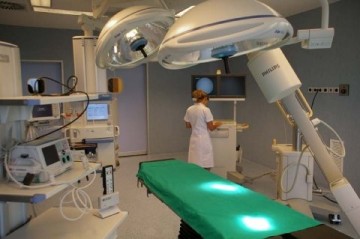
Surgery is the preferred method of treating this type of tumor. In foreign clinics, operations are performed under the control of navigation systems to avoid damage to nearby structures. In a number of countries, including Korea, Singapore, India, and Turkey, neurosurgical departments are equipped with special hybrid operating rooms. Their equipment allows you to combine diagnosis with surgery and achieve greater accuracy.
In the treatment of craniopharyngiomas abroad, in addition to transcranial access (through a hole in the skull), a less invasive endonasal (or transsphenoidal) approach is used — instruments are inserted through the nasal passage. Surgeons choose it because such operations are less traumatic and less likely to lead to complications.
Radiation therapy and other approaches to the treatment of craniopharyngioma abroad
Due to the location of the tumor, complete removal during surgery is sometimes impossible: the risk of damaging brain tissue is too high or access is too difficult. Then surgical methods are supplemented with radiation therapy, sometimes with chemotherapy. Radiation destroys tumor cells that were not removed during surgery, otherwise a recurrence is possible.
Radiotherapy methods for the treatment of craniopharyngiomas abroad include:
- proton therapy;
- brachytherapy — radiation sources in the form of grains are placed in the tumor next to it;
- radiosurgery — today there are devices that allow you to accurately direct radiation to the tumor. The harm to healthy tissues and the body as a whole is minimal, and the treatment session is shorter than with standard radiation therapy. In some cases, radiosurgery can be used as an independent treatment method.


 South Korea
 China
China
 India
India