Risk factors for esophageal cancer
According to statistics, the average age of patients with esophageal cancer is 67 years. Men are more likely to suffer than women, especially in the case of adenocarcinoma. Many of the causes of the disease are well known, including:
- Barrett's syndrome;
- gastroesophageal reflux disease;
- fatness;
- smoking;
- alcohol abuse;
- dietary and environmental factors that cause chronic irritation and inflammation of the mucous membrane of the esophagus;
Predisposing conditions such as tylosis, achalasia, esophageal diverticula, Plummer-Vinson syndrome, and human papillomavirus (HPV).
Symptoms of esophageal cancer
Carcinoma and adenocarcinoma have similar clinical manifestations, including:
- dysphagia;
- cough and regurgitation;
- monophagy;
- weight loss;
- upper gastrointestinal bleeding.
Diagnosis of esophageal cancer abroad
Difficulty swallowing is an alarming symptom and requires an immediate assessment to determine the exact cause and initiate therapy. Diagnosis begins with endoscopy and histological examination of esophageal tissues.
CT, ultrasound and PET scans should be used to clarify the diagnosis. The importance of combining CT and PET is related to their ability to assess the presence of metastases and the degree of direct cancer invasion into local structures such as the aorta or large airways, which may hinder surgical intervention. Clinics in Korea, India, and Turkey offer the minimum cost of modern diagnosis of esophageal cancer. These countries also have some of the most affordable prices for esophageal cancer treatment abroad.
Treatment of esophageal cancer abroad
Treatment of esophageal cancer abroad offers a better chance of recovery than in Russia due to the introduction of alternative approaches, including:
- cryotherapy — local destruction of cancer cells using low temperatures;
- Radiosurgery is high—precision radiation that helps keep adjacent organs healthy;
- Proton therapy is higher—dose radiation with a millimeter accuracy.
Clinical trials of innovative immunotherapy using Keytruda are actively conducted in Israel. In Japan, recent trials have focused on analyzing the expression of the NY-ESO-1 antigen and developing a targeted vaccine to stop the growth of esophageal tumors. The mechanism of operation — the creation of a genetic profile of the tumor allows you to create drugs that target cancer cells. Healthy tissues hardly suffer at the same time.
In recent years, clinics in countries such as Korea, Turkey, India, and China have focused on multimodal treatment. In this case, doctors use several different combinations and sequences of methods: chemotherapy, radiosurgery, conventional surgery, and immunotherapy.

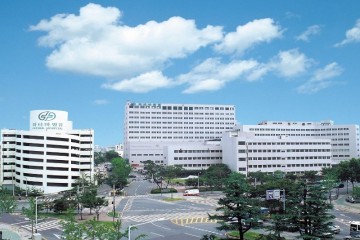
 South Korea
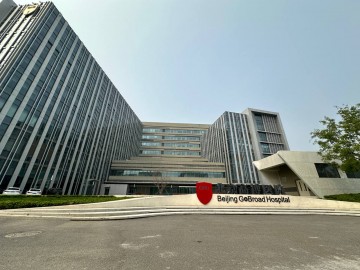
 China
China
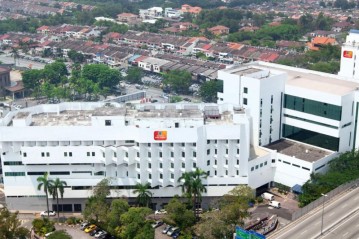
 India
India