Modern treatment of leukemia abroad
Treatment of leukemia begins with an accurate diagnosis based on a comprehensive examination, which includes bone marrow biopsy, cytomorphological, cytochemical and cytogenetic tests, flow cytometry and other molecular genetic methods. Detailed diagnostic results are necessary to develop individual treatment strategies and correctly assess the response to treatment.
Since time is crucial in acute leukemia, clinics in Japan, Israel, and Korea provide a complete diagnosis within 24 hours with the possibility of receiving blood tests in an hour. The prices for leukemia treatment abroad depend on the country and can often be more profitable than the cost of paid medical services in Russia.
Targeted leukemia therapy abroad
This treatment targets specific genes, proteins, or the tissue environment that contribute to the development of leukemia. Targeted therapy stops the spread of the disease.
Recent studies have shown that not all types of leukemia have the same characteristics. In order to receive the most effective therapy, patients abroad undergo a molecular analysis of their malignant disease. In addition, a lot of research is currently underway to learn more about specific genetic indicators and to test new drugs aimed at them. In Israel, patients with leukemia can participate in clinical trials of the innovative CAR T-Cell therapy today.
Monoclonal antibodies
One of the common types of targeted therapy is the use of monoclonal antibodies. They recognize and attach to a specific protein on the surface of leukemia cells, and ignore cells that do not have the right receptor. This stimulates the patient's immune system to recognize and attack the malignant tumor. Monoclonal antibodies for the treatment of leukemia include:
- Rituximab (Rituxan);
- Ofatumumab (Arzerra);
- "Obinituzumab" (Gazyva).
Kinase inhibitors
Kinases are enzymes found in both healthy and tumor cells. Some malignant cells can be destroyed by drugs that block them from being blocked. Kinase inhibitors for the treatment of leukemia are quite new and may only be available to patients participating in clinical trials.
Stem cell transplantation
After the destruction of leukemic cells by large doses of chemical or radiation therapy, the patient is prescribed a stem cell transplant. Since aggressive treatment severely damages the body's ability to produce healthy tissue, this method stimulates new bone marrow growth. There are large transplant centers in Israel, India, Turkey, and Korea. Both the patient's own cells and donor cells are used for transplantation.


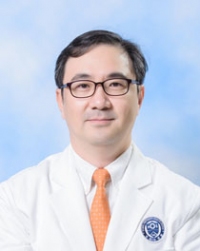
 South Korea
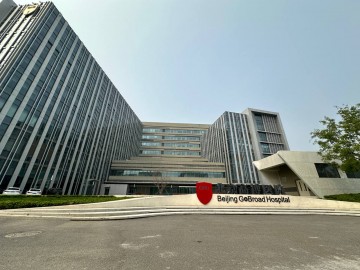
 China
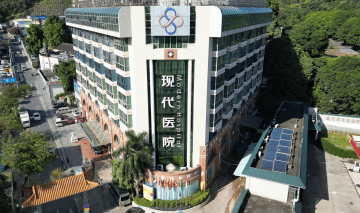
China
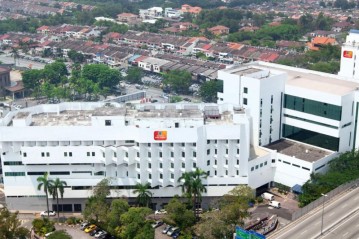
 India
India