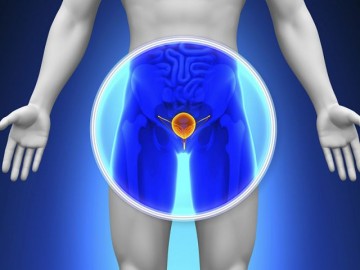
Since each case of prostate cancer is unique, the effectiveness of treatment depends on a carefully selected therapy program, taking into account the nature of the patient's illness. Unfortunately, in Russia this opportunity is limited to a small set of types of procedures.: traditional surgery, chemotherapy, and radiation therapy. On the other hand, a wide variety of standard and advanced methods provides prostate cancer treatment abroad. Hospitals in Korea, China, Japan, Israel, Singapore, Turkey, India, and Germany provide highly qualified care and the latest technologies, including robotic surgery, prostate tumor DNA analysis, high-dose brachytherapy, cryotherapy, and more.
Advanced methods of prostate cancer treatment abroad
Active surveillance techniques have been developed in China, Germany, Israel, and Japan. Not all prostate cancer patients need emergency treatment.: sometimes medical intervention carries more side effects than the course of the disease, which can last asymptomatically for a lifetime. If the tumor grows extremely slowly, does not cause discomfort and does not spread to other organs, the patient only undergoes regular testing. Therefore, the treatment of prostate cancer abroad is considered not only effective, but also as safe as possible.
Minimally invasive surgery
If the tumor remains local, but causes concern to the doctor or discomfort to the patient, surgery is prescribed. Abroad, in particular, in Israel, Germany and Korea, open prostatectomy has been replaced in most cases by minimally invasive keyhole surgery using a laparoscope or robot. The advantages of minimally invasive procedures are that the patient will lose less blood, experience minimal pain, and recover faster than with standard surgery. Prices for prostate cancer treatment abroad may vary depending on the chosen country and medical center.
High-dose brachytherapy
This new procedure is known for its short duration and improved safety relative to standard low-dose brachytherapy. In hospitals in Korea, Turkey, and Japan, therapy is performed by inserting thin tubes into the prostate gland, through which microcapsules with a radiation source are transmitted. The radioactive substance stays inside the organ for a few minutes to destroy the cancer cells, then it is removed. Since radiation is injected directly into the prostate, healthy tissues nearby receive a minimal dose of radiation, eliminating the serious side effects of standard radiation therapy.
Asian countries provide the most affordable prices for prostate cancer treatment abroad using radiation therapy.
Cryotherapy
Hospitals in China offer one of the safest ways to treat prostate cancer — cryotherapy (tumor freezing). During this procedure, thin needles are inserted into the organ, through which cooling gas enters. It freezes and kills cancer cells.
The advanced method may be a treatment option for men who have had a recurrence of the disease after radiation therapy. Other advantages of cryoablation are minimal surgical intervention, preservation of surrounding healthy tissues, and rapid recovery.

 South Korea
 China
China
 India
India