Symptoms of rectal cancer
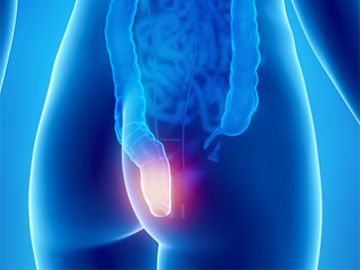
The signs of rectal cancer can be local, which have a direct effect on the intestine, and systemic, affecting the entire body.
Local signs:
- intestinal disorder, alternating diarrhea and constipation;
- rectal bleeding or blood in the stool;
- bloating, cramps, or discomfort;
- the feeling that the intestines are not completely emptied.
Systemic signs:
- unreasonable weight loss;
- loss of appetite;
- anemia;
- nausea or vomiting;
- jaundice;
- constant fatigue.
Causes of rectal cancer
Some causes of rectal cancer, such as genetics and age, cannot be avoided. Other factors, including obesity, smoking, an unhealthy diet or a low-activity lifestyle, can be brought under control and significantly reduce the risk of developing a tumor.
Rectal cancer treatment abroad
The most common method of treating rectal cancer is surgery. Depending on the conditions of the disease, the doctor may prescribe removal of the tumor, the problem area of the rectum, the surrounding normal tissue and nearby lymph nodes. In rare cases, it may be necessary to excise the entire rectum.
Before surgery, patients can undergo chemotherapy or radiation therapy. These adjuvant, i.e. preoperative, methods help to reduce the neoplasm before it is surgically removed.
In hospitals in Korea, Israel, Germany, Turkey, India, and China, many traditional open surgeries are performed using a minimally invasive approach. This allows a small incision to be made, which ensures faster recovery of the patient and reduces the risk of side effects. Prices for colorectal cancer treatment abroad may vary depending on the country and the recommended surgery conditions.
In Israel and Germany, patients with rectal cancer can undergo therapy with monoclonal antibodies. This is a type of targeted therapy that helps strengthen the body's natural immune response to destroy cancer cells. Monoclonal antibodies can be used alone or in combination with other methods such as chemotherapy.

 South Korea
 China
China
 India
India