Knee arthroplasty abroad
Knee replacement surgery abroad involves the use of modern implants with a service life of 15 years, low-trauma, gentle interventions and a short period of rehabilitation.
Knee arthroplasty abroad is performed in the presence of pathologies or diseases such as post-traumatic or rheumatoid arthritis, joint underdevelopment or osteonecrosis.
Types of endoprosthetics
Knee replacement is an effective and sometimes the only way to restore lost limb mobility.
Foreign specialists individually select the method of intervention for each patient. There are two types of knee replacements abroad:
- partial prosthetics — in this case, not the entire knee is replaced, but only its most affected fragment. At the same time, all healthy cartilage and ligaments are preserved.;
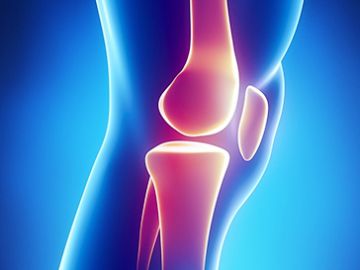
- Total arthroplasty is the complete removal of the bone and cartilaginous tissues of the kneecap and their replacement with an artificial joint.
Endoprosthetics techniques
All types of knee arthroplasty abroad are most often performed minimally invasively, with minimal disruption to the integrity of the skin and the possibility of rapid rehabilitation of the patient.
It is also worth noting that knee arthroplasty abroad is most often performed using the Da Vinci robotic system. By performing the operation with four hands, under the supervision of an experienced surgeon, the robot performs it more accurately than a human and with minimal risks. The number of possible side effects is reduced, as well as the length of the patient's stay in the clinic.
A computer navigation system also helps foreign specialists in knee replacement surgery. It visualizes the surfaces of bones and ligamentous apparatus, which allows the doctor to identify the right angle for joint implantation and determine the appropriate size of the prosthesis. Thanks to this system, endoprosthetics are performed with smaller incisions, the rehabilitation period is shortened, and the patient is protected from complications.

 South Korea
 China
China
 India
India