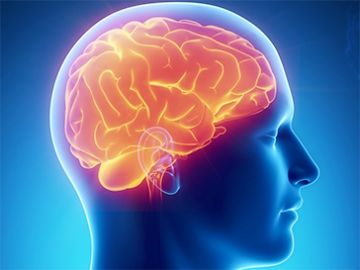
Epilepsy is a chronic neurological disorder that affects the central nervous system, manifested by seizures and seizures. About 50 million people worldwide suffer from this disease. More than a third of patients live with uncontrolled seizures due to the low effectiveness of standard treatment.
To diagnose epilepsy, a person must have at least two unprovoked seizures. Depending on the extent of abnormal brain activity, there may be focal (focal) and generalized (general) epilepsy.
Traditional therapy is performed with the participation of various drugs. If the seizures continue or only partially disappear, invasive procedures are recommended. Surgery is prescribed only to patients with focal epilepsy. To stop seizures, the problem area of the brain is removed.
Advanced treatment methods for epilepsy abroad
Minimally invasive surgery
Treatment of epilepsy abroad involves minimally invasive procedures such as radiofrequency ablation or laser treatment (a probe is inserted into the problem part of the brain through a small hole). In clinics in Israel, Germany, Singapore, Korea and China, deep brain stimulation is performed — implantation of electrodes to prevent seizures. Laser interstitial thermotherapy (LITT) is available. This method uses an implanted laser to remove the tissue that causes seizures. The course of the procedure is monitored using MRI.
Radiosurgery
Stereotactic radiosurgery allows the removal of epilepsy foci by non-surgical means. In China, Singapore, and Korea, a Gamma knife or linear accelerator is used for this method. The problem area is treated with a high dose of radiation, while the neighboring tissues remain intact. This type of epilepsy treatment abroad usually has a 30-90 day delay between therapy and the manifestation of an optimal result.
Focused ultrasound therapy
In Israel and Germany, patients with epilepsy are treated with focused ultrasound. This non-invasive procedure is performed without radiation, and the result is immediate. Currently, research is underway on the effectiveness of ultrasound in deep brain lesions.
Clinical trials
A promising method of treating epilepsy abroad is the use of stem cells. The new therapy is available to patients in clinical trials in clinics in Germany, Korea and Israel. The method has been shown to be effective in the treatment of neurological disorders, including Parkinson's disease and neuropsychiatric aspects of epilepsy.
Recently, certain dietary restrictions have been recommended that can reduce seizures, such as a modified version of the Atkins diet.

 South Korea
 China
China
 India
India