Treatment is difficult due to the resistance of gliomas to therapy and the peculiarities of their location: during surgery, there is a high risk of damaging brain structures. For these reasons, many patients seek help in foreign hospitals.
It must be remembered that even the most modern clinic cannot guarantee a complete cure. The effectiveness of glioma treatment abroad depends on the age of the patient and the features of the tumor structure. Some types respond well to therapy; against others, such as anaplastic astrocytoma and glioblastoma multiforme, it is extremely difficult to choose a treatment method.
Non-surgical methods of glioma treatment abroad
Before starting work, doctors diagnose to determine the location, size and sensitivity of the neoplasm to various types of drugs.
Competitive chemoradiotherapy is often used — combining chemotherapy with exposure to ionizing radiation to reduce the size and slow the growth of gliomas.
For the treatment of glioma abroad, more and more doctors are choosing radiosurgery, which is more accurate than standard radiation therapy. Tomotherapy, Gamma knife, Cyber knife, intensity modulated radiotherapy, 3D conformal radiotherapy — all these methods limit the impact on healthy tissues, focusing on the pathological focus. Many clinics in Korea, China, Singapore, India, Turkey, Israel and Germany have the necessary equipment for them.
Photodynamic therapy is widespread in China. A photosensitive substance is injected into the blood, which accumulates in tumors, then it is exposed to light with a certain wavelength. It destroys neoplasms with minimal damage to healthy tissues.
Surgical methods of glioma treatment abroad
Surgery is a standard method of treating gliomas and glioblastomas. Removal of the tumor can reduce the severity or completely relieve the symptoms, increase life expectancy. It does not provide 100% protection against relapse, but it greatly facilitates the patient's condition.
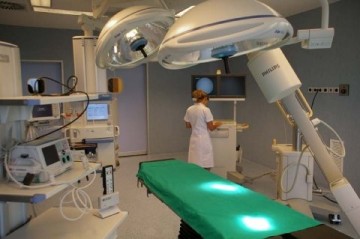
Surgeries are performed in hybrid operating rooms, where doctors work under the control of computer navigation systems and imaging tools such as CT and X—rays to correctly identify the location of the tumor and avoid touching healthy areas of the brain. This approach to surgical treatment of gliomas abroad reduces the likelihood of complications.
Clinical trials of new methods
Despite the high level of medical development, brain tumors are still difficult to treat. But doctors from all over the world are looking for new ways to treat gliomas: abroad and in Russia, doctors are developing new treatment regimens, medications that increase the sensitivity of malignant cells to radiotherapy, and more effective chemotherapy drugs. Israel, in particular, is known for its active scientific work and regular clinical trials.

 South Korea
 China
China
 India
India