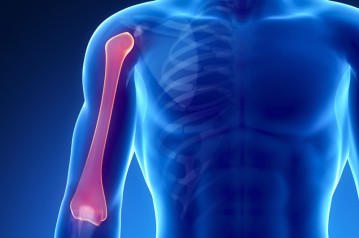
Although the primary malignant tumor can appear in any part of the body, it most often occurs in the long bones of the arms and legs. Common types of primary tumors are osteosarcoma, chondrosarcoma, Ewing's tumor, fibrosarcoma, giant cell tumor, and chordoma. Metastatic bone tumors are most often formed in breast, prostate, and lung cancers.
For patients with bone tumors, it is important not only to stop cancer, but also to keep all parts of the body intact. The treatment of bone cancer abroad offers non-surgical methods for this task (targeted therapy, proton therapy, radiation and chemotherapy) and organ-preserving surgery. Thus, when tumors of the bones of the arms and legs are removed, part of the bone is replaced with a bone graft or an endoprosthesis. If amputation of a leg or arm is mandatory, the patient is prescribed reconstructive surgery with the installation of a prosthesis.
Diagnosis of bone cancer abroad
The most important aspect of diagnosis is to find out whether the tumor is malignant or benign. To do this, a tracer scan is performed in foreign clinics. The patient is injected with a tracer, which concentrates in the bones and displays differently in healthy and pathological tissues. Imaging techniques are also used: CT, MRI, PET and PET-CT.
Advanced bone cancer treatment methods abroad
Targeted therapy
In hospitals in Germany, Israel, Korea, and Singapore, patients with tumors can undergo targeted therapy that triggers destructive processes in cancer cells. For example, the monoclonal antibody Denosumab is prescribed for the treatment of metastatic cancer and helps strengthen bones.
Bisphosphonate treatment is practiced in China. These drugs help prevent excessive leaching of calcium from the bones and reduce its amount in the blood.
Minimally invasive surgery
Sarcoma treatment abroad includes the destruction of neoplasms using radiofrequency ablation. A catheter is inserted into the tumor, which heats the cancer cells to a temperature at which they begin to die. Hospitals in Germany, Israel, and Singapore practice proton therapy, which delivers high doses of radiation to pathological tissues while maintaining healthy adjacent structures. Cryosurgery is sometimes used — freezing the tumor.
Auxiliary surgery
The tumor can cause weakening of the bones, which leads to compression fractures of the vertebrae. Kyphoplasty is performed to relieve pain and restore spinal mobility. During this procedure, a ball is pumped inside the damaged bone to the desired height. Then a cement-like material is injected through the needle. After surgery, the patient stops experiencing pain and recovers quickly.

 South Korea
 China
China
 India
India