Radioiodine therapy is a treatment option for some patients with papillary and follicular thyroid cancer. Radioactive iodine also helps to destroy cells of differentiated thyroid cancer that has spread to the lymph nodes or to distant parts of the body. However, not all types of cancers actively absorb iodine. To determine whether this type of radiation therapy is suitable for a particular patient, the doctor prescribes a small test dose of radioactive iodine. If the cancer cells absorb I-131 (the assessment is based on an X-ray), full-fledged radioiodine therapy is planned. Medullary or anaplastic thyroid cancer does not respond to I-131 treatment.
You can find out how much radioactive iodine therapy costs if you have an accurate diagnosis on the website of the selected foreign clinic or an official representative in Russia.
Conducting radioiodine therapy abroad
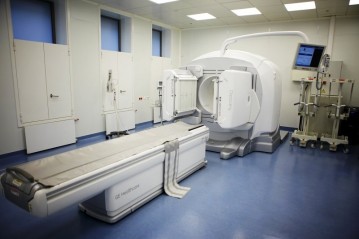
During therapy, patients take I-131 in the form of liquid or tablets. Abroad, radioiodine therapy is performed in a hospital setting (within 2-3 days). A few days after ingestion of radioactive iodine, most of the radiation disappears. Before treatment, the doctor advises on ways to limit exposure to other people, including children, who may be near the patient during therapy and in the following days. The specialist should also announce in advance how much treatment with radioactive iodine costs.
Side effects of radioiodine therapy
In preparation for I-131 therapy, patients are usually asked to follow a diet of foods that contain little iodine (for 2-3 weeks). It is also necessary to temporarily stop taking thyroid hormone replacement pills, or receive tyrogen injections while taking a hormone replacement. The suspension of hormone therapy can lead to the side effects of hypothyroidism.
On the first day of treatment, patients may experience nausea and vomiting. Sometimes pain and swelling appear in areas where radioactive iodine accumulates (for example, salivary glands).
After radioiodine therapy, women are advised to avoid pregnancy for at least 1 year. Since there is always a risk of a secondary tumor, sometimes patients need repeated treatment. Nevertheless, the correct dosage of I-131, prescribed shortly after surgery, often provides a complete cure for cancer, and treatment is accompanied by minimal side effects.

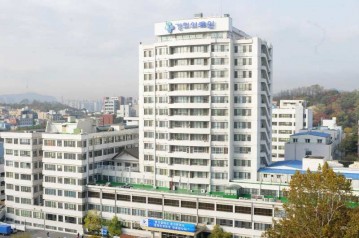
 South Korea
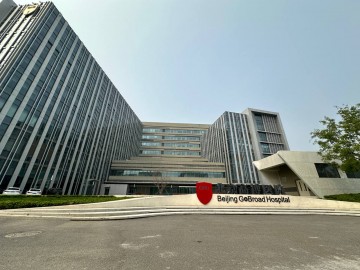
 China
China
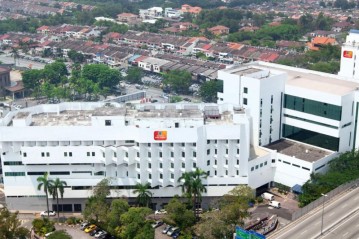
 India
India