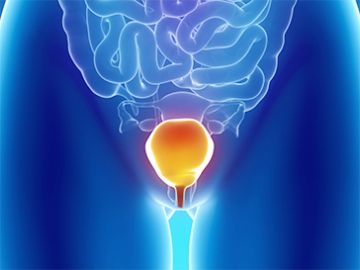
The symptoms of bladder hyperactivity in men and women are similar: an urgent need to urinate, even if the bladder has recently been emptied, frequent urges during the day and at night, uncontrolled urinary incontinence.
Diagnostics
Treatment of bladder hyperactivity abroad, in addition to mandatory blood and urine tests, includes the following diagnostic methods:
- Keeping a urination diary helps the doctor to carefully examine the symptoms, as well as the number of urges.
- Ultrasound of the bladder — allows you to measure the volume of residual urine;
- uruflowmetry — determines the volume and speed of urination of the patient;
- Cystometry — measures the pressure in the bladder when it fills;
- Electromyography evaluates the coordination of impulses in the nerve endings of the bladder and sphincter;
- video dynamics — using X-rays and ultrasound waves, shows the bladder when filling and emptying;
- cytoscopy — allows you to identify other diseases that are the cause of this syndrome, for example, tumors or stones.
Treatment of bladder hyperactivity abroad
Treatment takes place in stages.
First of all, the patient is prescribed behavioral therapy. It includes monitoring the level of fluid consumed by the patient, regulating the diet, planning toilet visits, performing special exercises, and normalizing weight if overweight is observed.
It involves the treatment of bladder hyperactivity abroad and intermittent catheterization — complete release of the bladder using a special catheter. The procedure is very comfortable and absolutely safe.
Foreign specialists also widely use drug therapy. It includes the appointment of drugs that promote relaxation of the bladder muscles or the introduction of botox into the body, which makes it possible to paralyze the muscles, thereby contributing to the disappearance of incontinence.
More radical methods of treatment include sacral nerve stimulation. A neurostimulator is implanted in the body and affects the muscles with the help of electrical impulses. It helps to significantly reduce the symptoms of the disease.
Foreign specialists also practice enlarging cystoplasty, which is a change in the volume of bladder capacity. It has serious undesirable effects, so it is prescribed only if other treatment methods have not worked.

 South Korea
 China
China
 Türkiye