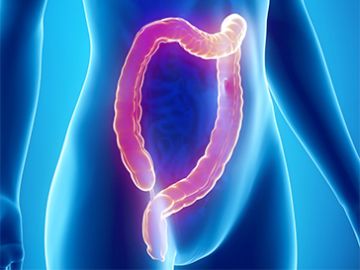
Colitis is a disease of the intestine associated with inflammation and the formation of ulcers on its inner walls. As the disease progresses, its symptoms worsen. The main signs of colitis include: loose stools with blood, abdominal pain, unreasonable weight loss, fatigue, fever, and more. One of the main suspected causes of the disease is a malfunction of the immune system. Immune cells, in pursuit of infection, begin to attack the normal tissues of the digestive tract.
Abroad, colitis is treated by finding and eliminating the root cause of the disease (the virus or bacterium that caused the immune system to malfunction), as well as managing symptoms to eliminate the risk of complications.
Examination before treatment of colitis abroad
Usually, a doctor diagnoses colitis after a complete examination of the intestine and the exclusion of other diseases with similar symptoms. After a physical examination and examination of the medical history in clinics abroad, the patient is referred for the following diagnostic procedures.
- Blood tests. These tests are prescribed to detect anemia (low hemoglobin levels in the blood, which leads to oxygen deficiency in the body's tissues) or any infections.
- Stool analysis. A doctor can diagnose colitis if white blood cells are found in the stool.
- Colonoscopy. This is an examination of the intestinal mucosa using a thin tube with a camera and a light source at the end (colonoscope). During the procedure, a specialist may take a sample of abnormal tissue. A biopsy allows you to make an accurate diagnosis.
- Sigmoidoscopy. Examination of the lower part of the colon and the entire rectum using a thin tube with a light source.
- X-ray of the abdominal organs. It allows you to exclude more extensive diseases that have spread through the abdominal cavity.
- CT and MRI enterography. Scanning of the small intestine allows you to see even minor areas of inflammation from which the disease could develop.
Treatment of colitis abroad
Depending on the complexity and area of the spread of colitis, treatment abroad may include drug therapy or surgery. The following drugs help to control different symptoms and are prescribed taking into account the individual characteristics of the patient's disease.
- Anti-inflammatory drugs. These drugs include 5-aminosalicylates and corticosteroids.
- Immune suppressors. These medications aim to reduce inflammation by suppressing the abnormal functioning of the immune system.
- Antibiotics. They are prescribed to combat detected infectious diseases.
- Antidiarrheal drugs. They help to normalize the stool.
- Painkillers. They are prescribed for severe abdominal pain.
- Iron supplements. Recommended for rectal bleeding and anemia.
Surgical treatment of colitis abroad
In severe cases of colitis abroad, treatment often involves partial removal of the colon or rectum. Modern operations make it possible to eliminate the need to carry a stool collection bag for life. Instead, the surgeon stitches a container from the lower part of the colon so that the patient can empty optimally in a natural way.

 South Korea
 China
China
 India
India