Although protons and photons (X—rays) have the same effect of destroying abnormal tissue with high energy, protons deliver more radiation specifically to the tumor. Photons begin to distribute the main energy already upon collision with the skin and other organs standing in the way. As a result, proton therapy destroys the tumor more effectively and safer for healthy tissues. This is especially important in the treatment of children, as protons help to reduce radiation that is unfavorable for the growth and development of a young organism.
The field of application of proton therapy abroad
Clinics abroad use proton therapy to treat various organs, including:
- lungs;
- the prostate;
- brain and spinal cord;
- liver;
- breast;
- the esophagus;
- the rectum.
The new technology is particularly effective in the treatment of sensitive tissue cancer, providing precise treatment of head sarcoma, brain tumors in children and ocular melanoma. Proton therapy also reduces the frequency of cancer recurrence and helps maintain the function of the affected organ if the tumor is small.
Proton radiation therapy equipment
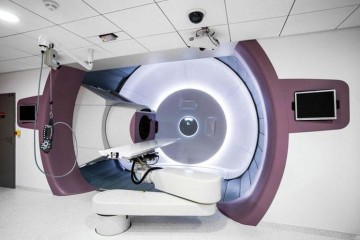
A whole team of specialists, including a radiation oncologist, a radiation physicist, a dosimetrist, a therapist and a nurse, participates in the preparation of a treatment plan and proton therapy abroad. To generate and accelerate protons, cyclotrons and synchrotrons are usually used, which accelerate particles to 60% of the speed of light with an energy of up to 250 million electron volts. These high-energy protons are controlled by magnets, which direct them to a specific area of the body.
The stages of proton therapy abroad
Several stages of preparation are necessary for the organization of proton radiation therapy. First, the patient is placed in an immobilization device to ensure an accurate, reproducible position for each treatment. Sometimes it is necessary to place a metal marker in or around the tumor. These procedures are usually performed a few days before exposure. The type of immobilization device depends on the location of the tumor. For example, to treat the area above the neck, a mask is used around the face or a tray that is attached to the teeth.
At the next stage, the patient undergoes CT (in some cases, MRI and PET-CT are also required) to create a virtual three-dimensional model of the tumor and normal tissues around it. Radiation oncologists determine the boundaries of the neoplasm, and physicists calculate the safest and most effective radiation pathways.
The proton therapy procedure itself is performed abroad on an outpatient basis. The duration of each treatment depends on the type of tumor and the stage of the cancer. Proton beam delivery takes only a few minutes, and equipment setup takes a little longer — 10-15 minutes. For most types of tumors, the standard course of treatment is from two to eight weeks (sessions are conducted five days a week).

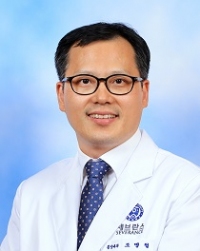
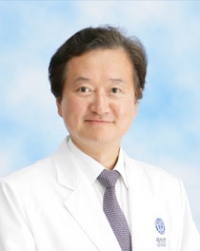
 South Korea
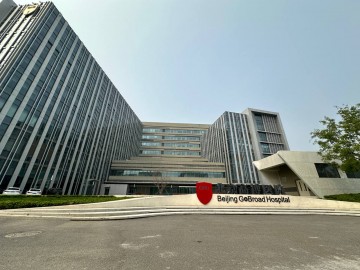
 China
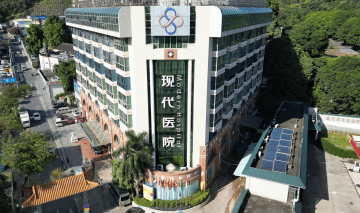
China
 India
India