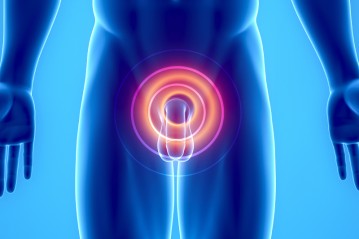
Testicular cancer is a malignant tumor of the testicles that develops more often in young men (from 20 to 34 years old). There are two main types of testicular cancer: embryonic tumors (occur in the cells that produce sperm) and stromal tumors (occur in the testicular tissue where hormones are produced). The most common symptom is a painless swelling or lump formation in the testicle. If testicular cancer is detected at an early stage, the probability of successful treatment is almost 99%.
Examination before treatment of testicular cancer abroad
First, the doctor conducts a physical examination and prescribes a blood test to determine the level of specific proteins (b-hCG, LDH, and others). For example, an increased amount of alpha-fetoprotein may indicate the presence of an embryonic tumor. Imaging tests of the abdominal cavity, pelvis and chest are also performed: X-ray, ultrasound, CT, MRI and PET CT. If the ultrasound shows an abnormal lump in the testicle, the doctor usually prescribes surgical removal (orchiectomy). In this case, the incision is made in the groin, not in the scrotum, to avoid the spread of cancer cells. A sample of abnormal tissue is examined under a microscope to determine the presence of cancer cells and the stage of the disease.
Surgical treatment of testicular cancer abroad
In addition to orchiectomy, a number of other surgical procedures are used abroad for the treatment of testicular cancer.
- Removal of lymph nodes in the abdominal cavity with a high risk of cancer spread.
- Nerve-sparing surgical methods. To maintain normal ejaculation, surgery is performed with minimal damage to the nerves surrounding the retroperitoneal lymph nodes.
- Reconstructive surgery. Prosthetic implants are available for men who want to restore their natural body appearance after an orchiectomy.
In the case of surgery of one testicle, all sexual functions are often preserved. If both testicles are removed, a man cannot conceive a child or have enough testosterone for sexual intercourse. In this case, testosterone should be taken as a gel or injection. Since the disease can affect offspring planning, patients can donate sperm to a storage bank before treatment.
Non-surgical treatment of testicular cancer abroad
Some types of testicular cancer are very sensitive to radiation therapy. In fact, the dosage for treatment is about one-third of what is required for prostate cancer, and the therapy cycle is only two weeks. Radiation therapy is performed immediately after orchiectomy. The average rate of radiation recurrence is only 5%.
Chemotherapy is sometimes prescribed abroad to enhance the effectiveness of testicular cancer treatment. Men with advanced tumors that have spread beyond the testicle should take medications for nine weeks or more. For patients with slow-growing cancer, an approach called intensive chemotherapy is used. A larger dosage of drugs is given at shorter intervals. This way, cancer cells do not have time to recover between meals. After successful treatment abroad, stem cell transplantation is available to restore testicular function.

 South Korea
 China
China
 India
India