Treatment and diagnostics for abroad

Laryngeal papillomatosis
  • Discount users service

    to 7%
  • Treatment success:

  • Number of clinics for laryngeal papillomatosis treatment:

    20

Laryngeal papillomatosis

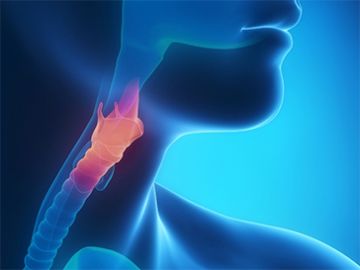
Laryngeal papillomatosis is a rare disease (according to statistics, 2 out of 100,000 adults and 4.5 out of 100,000 children suffer) caused by HPV types 6 and 11. Papillomatosis is accompanied by the formation of benign tumors or accumulation of papillomas. Without treatment, this disease is very dangerous, as uncontrolled growth of neoplasms can close the respiratory tract. Tumors can grow back, so repeated surgeries are often required.

Read more Collapse

In adults, the main symptoms of laryngeal papillomatosis are a hoarse voice. Breathing problems may occur, but they are more common in children. In infants, signs include weak crying, trouble swallowing, noisy breathing, and a chronic cough.

The causes of infection are still poorly understood. HPV type 6 or 11 sometimes causes genital warts. At birth, a woman can naturally infect a child, after which there is a high risk of developing laryngeal papillomatosis in an infant. It can be prevented by vaccines with suitable antigens. Regular vaccination of girls before adolescence is believed to prevent the development of genital HPV-6 or HPV-11 infections during pregnancy.

Treatment of laryngeal papillomatosis abroad includes surgical procedures and antiviral drugs. Recently, antiangiogenic therapy has shown promising results.

Examination before treatment of laryngeal papillomatosis abroad

Laryngeal papillomatosis can be diagnosed by imaging the lesions during an indirect laryngoscopy procedure (using a mirror or endoscope). A biopsy is taken to confirm the diagnosis.: for microscopic examination of a tissue sample and HPV testing.

Surgical treatment of laryngeal papillomatosis abroad

Treatment options for laryngeal papillomatosis abroad are aimed at removing and limiting the recurrence of papillomas. First of all, the patient is prescribed surgical removal of neoplasms. The main methods include:

  • carbon dioxide laser surgery;
  • cryosurgery (freezing of abnormal tissue);
  • removal of papillomas with a shaver (a tool that sucks in tissue and then cuts it with a blade);
  • tracheostomy (in case of large tumors, a special tube is installed to ensure free breathing).

Non-surgical treatment of laryngeal papillomatosis abroad

Together with surgery, the patient may be prescribed the following medications: interferon, antiviral medications (Cidofovir, Ribavirin, or Acyclovir). In some cases, photodynamic therapy is recommended. This method helps to destroy the tumor without scarring and risk to the surrounding healthy tissue. Before the procedure, the patient is injected with a special substance, a photosensitizer, which accumulates in the papilloma cells. Then, a beam of light of a certain wavelength is directed at the problem area, which activates the drug and triggers the destruction process.

Injection of the anti-angiogenesis drug Bevacizumab helps to delay or eliminate tumor recurrence. Experimental treatment of laryngeal papillomatosis abroad provides an opportunity to obtain new drugs that are currently available only in clinical trials.

Learn more Collapse
Calculate cost treatment laryngeal papillomatosis
Expenses patients for treatmentlaryngeal papillomatosis abroad
Treatment reviews laryngeal papillomatosis abroad
Leading doctors
Kim Hyuntae
  • Graduated from the Catholic University of Korea, where he also received his doctorate and lectured in the Department of Otolaryngology.
  • Completed internships in voice disorders and swallowing reflex disorders at Columbia University in New York.
  • Member of the American National Spasmodic Dysphonia Association, Vice-Chairman of the Korean International Medical Association, Board Member of the Gangnam District Medical Tourism Association in Seoul.


Learn more Collapse
Lee Jiuk
  • Graduated from the Department of Anesthesiology, Catholic University
  • Work experience: physician at "Severance", Head of the Department of Anesthesiology at "MizMedi".
  • Full member of the Korean Society of Anesthesiologists, Society of Obstetric Anesthesia, Spondylodynia Research Society, American Society of Obstetric Anesthesia
Learn more Collapse
Nobuyuki Bando
  • Deputy Director of "Hokuto", Head of the Otolaryngology Department.
  • Conducted research work in the Immunology Department at the Roswell Park Cancer Institute in America.
  • Completed an internship at the House Ear Institute in Los Angeles.
  • Certified otolaryngologist, surgeon, member of the American Association for Cancer Research.
Learn more Collapse
Takashi Goto
  • Trained in the USA and Canada.
  • Certified otolaryngologist and clinical oncologist.
Learn more Collapse
Lee Hwangso
  • Specialization: treatment of dizziness, pediatric otitis, chronic sinusitis, deviated nasal septum.
  • Graduated from the University of Ulsan.
  • Worked as a physician and clinical instructor at "Asan" Medical Center.
  • Member of the Korean Society of Otorhinolaryngology, Korean Society of Audiology.
Learn more Collapse
Search clinics
Treatment abroad? It's easy!
Get a treatment plan and cost estimate for free!
Attach a file

Need an urgent reply?
Request a callback

Selected: 0 clinics Compare