Diagnosis of the digestive system abroad provides an opportunity to determine the nature and stage of the disease most accurately. Foreign specialists have the most modern technologies and practice innovative diagnostic methods. This allows them to make the most accurate diagnosis and prescribe optimal, effective treatment.
The instrumental diagnostics of the digestive system abroad is of the highest quality. This type of diagnosis involves a direct examination of the patient using modern technical devices.
Foreign clinics successfully practice all the basic methods of instrumental diagnosis of gastroenterology.
Computed tomography (CT)
Abroad, only the latest models of computed tomographs are used, with the help of which high-precision X-ray examination of the body is performed. Three-dimensional images of the digestive system organs are performed, according to which the diagnosis is made. Layered images allow you to view the scanned area in great detail.
Magnetic resonance imaging (MRI)
Instead of X-rays, magnetic fields are used for scanning. The images are also taken in layers, but the image on them is much clearer. The technique is absolutely safe, since there is no X-ray exposure (which is typical for CT).
Ultrasound examination (ultrasound)
Diagnosis of gastroenterology is performed using ultrasound waves. For this purpose, foreign clinics have special high—tech devices - echotomoscopes.
Gastroscopy
A gastroscope, an optical device consisting of a long thin wire with a camera and a light bulb at the end, is inserted into the patient's esophagus through the mouth. With its help, doctors can examine the walls of the digestive tract organs — the high-quality image obtained by the camera is transmitted to the monitor. The experience of foreign specialists makes it possible to minimize the discomfort caused by the procedure:
- Local anesthesia is performed in the area of the patient's mouth and pharynx;
- Sedatives are used to reduce emotional stress.;
- A plastic mouthpiece is inserted into the mouth to protect the teeth.
Colonoscopy
Examination of the walls of the colon using a colonoscope, a device generally similar to a gastroscope, but inserted into the patient's body through the anus. To minimize unpleasant sensations, a colonoscopy abroad is performed under anesthesia.
Highly qualified specialists make it possible to combine diagnostic procedures with treatment.:
- taking a biopsy of neoplasms (in particular, malignant ones);
- removal of polyps and tumors;
- extraction of foreign bodies;
- elimination of bleeding.
All the described procedures are performed without damaging the patient's tissues (i.e. they are non-invasive). Diagnosis of gastroenterology abroad is a choice in favor of the latest technologies, painless procedures and high–quality results.

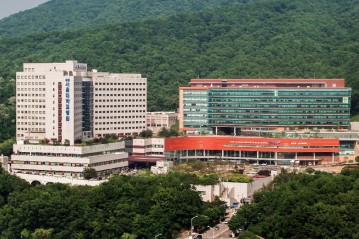
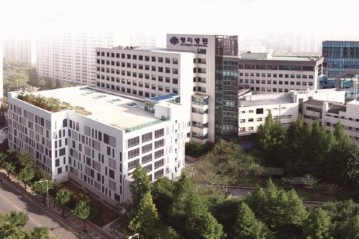
 South Korea
 China
China
 India
India