Treatment and diagnostics for abroad

Hepatitis
  • Discount users service

    to 7%
  • Treatment success:

  • Number of clinics for hepatitis treatment:

    31

Hepatitis

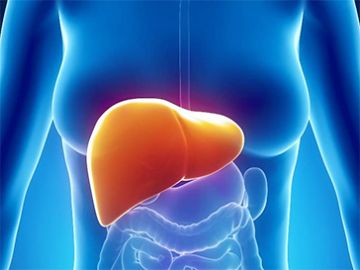
Hepatitis is an inflammatory process in the liver. The main causes are infection with a virus, autoimmune pathology, and the toxic effects of drugs or alcohol. There are 7 known types of viral hepatitis: A, B, C, D, E, F and G, of which the most common are A, B and C. Sometimes the virus leaves the body after the acute stage of the disease, but it can also become chronic. Dangerous consequences of hepatitis are cirrhosis and liver cancer.

Read more Collapse

Acute liver infection manifests itself in the form of jaundice, constant fatigue, nausea, diarrhea, fever, lack of appetite and abdominal cramps.

Hepatitis diagnosis abroad

The presence of the virus in the blood is determined by tests. If chronic hepatitis B or C is suspected, a biopsy is performed. Other diagnostic methods include paracentesis (testing abdominal fluid to determine the cause of its accumulation), elastography (measures the level of elasticity of the liver using ultrasound), and surrogate marker analysis (to assess the development of cirrhosis and fibrosis).

Hepatitis treatment abroad

Hepatitis treatment begins with a change in the patient's lifestyle. A balanced diet and alcohol exclusion are recommended, and medications are prescribed to relieve symptoms. Hepatitis B is treated with interferons (antiviral agents) and drugs such as Lamivudine and Adefovir Dipivoxil. With virus C, combination therapies based on the virus subtype are traditionally prescribed using a number of new drugs:

  • "Simeprevir";
  • Sofosbuvir;
  • Daclatasvir;
  • a combination of Ledipasvir and Sofosbuvir;
  • combination of Ombitasvir, Paritaprevir and Ritonavir, with or without Dasabuvir;
  • a combination of Sofosbuvir and Velpatasvir.

They are aimed at stopping virus replication and give good results in a short period of time.

Chinese clinics use traditional medicine: herbal medicine and acupuncture.

With viruses B, C or D, liver failure (impaired liver function) may develop. If the organ is severely damaged, it needs to be transplanted.

Liver transplantation in the treatment of hepatitis abroad

Statistics show a high survival rate for patients who have undergone liver transplantation abroad: within 5 years, 90-80% survive, respectively. A healthy liver is taken from both living and dead people, but foreigners need to come to the clinic with a donor. The waiting lists for organ transplants from dead donors are always very long.

Orthotopic transplantation is used as the main method of surgery (when a new organ is installed instead of the old one in the same place). Due to the use of intraoperative imaging, a large vein located behind the liver is preserved using surgical clamps. After surgery, the donor's liver regenerates and grows rapidly to a size sufficient to perform its functions in full.

Learn more Collapse
Calculate cost treatment hepatitis
Expenses patients for treatmenthepatitis abroad
Treatment reviews hepatitis abroad
Leading doctors
Kwon Jin Woo
  • Graduated from Hallim University.
  • Clinical Lecturer in Gastroenterology at "Sonsim" Clinic and "Inha" Medical Center.
  • Specialization: gastrocolonoscopy, endoscopic treatment. Civil Aviation Aviation Medical Examiner.
Learn more Collapse
Lee Moon Seong
  • Pioneer in the field of endoscopic surgery: first in the country to remove part of the esophageal mucosa using an endoscope to treat early-stage cancer.
  • Ranked among the top ten doctors in Korea.
  • Received awards for scientific achievements from the Korean Society of Gastrointestinal Endoscopy, Korean Society of Gastroenterology, Korean Institute of Science and Technology, etc.
  • Specialization: Stomach, esophageal, liver, intestinal diseases; diagnosis and treatment of oncological diseases of the gastrointestinal tract organs.
Learn more Collapse
Kim Hyeon-cheol
  • Head of the liver transplantation team. Success rate: 100%.
  • Specialist in the treatment of liver, gallbladder, and pancreatic diseases - organs whose treatment requires skillful surgical skills.
  • Completed internships in Japan, Germany, France, Spain.
  • In 2006, received an award from the International Hepato-Pancreato-Biliary Association (IHPBA); in 2010, received the "Best Dissertation" award from the Korean Association of Clinical Oncologists.
  • Author of textbooks on surgery and clinical surgery, co-author of the "Atlas of Surgical Operations".
Learn more Collapse
Moon Jeong-ho
  • Vice-Director of the Korean Society of Gastrointestinal Endoscopy (KSGE), holds one of the leading positions in the Korean Pancreatobiliary Association (KPBA).
  • Develops new endoscopic methods for treatment and diagnosis, used for malignant strictures and other conditions hindering access.
  • Specialization: Endoscopic diagnosis and treatment of pancreatic, gallbladder, and bile duct diseases, gastroenterological diseases.
Learn more Collapse
Kim Yong-seok
  • In 2011, was recognized as the winner in the "Best Dissertation" nomination by the Korean Association of Internal Medicine (KAIM).
  • Develops practical guidelines for the treatment of cirrhosis and alcoholic hepatitis.
  • Completed internships at Kansai Medical University (Japan) and UC Davis University (USA).
  • Member of the Korean Association for the Study of the Liver (KASL), Deputy Head of the Research Division at the Korean Liver Cancer Study Group (KLCSG), specialist at the Ministry of Food and Drug Safety, member of the Health Assessment Commission, editor of the encyclopedia on liver diseases. Member of the Publications Committee of the Asian Pacific Association for the Study of the Liver.
  • Specialization: Liver diseases, hepatitis, cirrhosis, fatty liver disease. Diagnosis and treatment of inoperable pathologies.
Learn more Collapse
Search clinics
Treatment abroad? It's easy!
Get a treatment plan and cost estimate for free!
Attach a file

Need an urgent reply?
Request a callback

Selected: 0 clinics Compare