Treatment and diagnostics for abroad

Cerebral palsy in children
  • Discount users service

    to 7%
  • Treatment success:

  • Number of clinics for cerebral palsy in children treatment:

    37

Cerebral palsy in children

Cerebral palsy (cerebral palsy) is a group of motor disorders caused by damage or abnormality in the brain. This is the most common form of disability in children. Due to damage to certain parts of the brain, voluntary or involuntary movements may be affected, but this does not always affect intelligence. Cerebral palsy does not progress, so the patient's condition does not worsen with age.

Read more Collapse

Infants with cerebral palsy have weakened muscle tone. Other symptoms of the disease include impaired coordination and balance, athetosis (slow cramps of the arms and legs), spastic (spasmodic) paralysis, limited range of motion, poor hearing and vision, delayed development, and more. There are four types of cerebral palsy: spastic, athetoid, ataxic, and hypotonic.

Diagnosis and treatment of cerebral palsy abroad

The diagnosis is based on a physical examination. To obtain additional data, an ultrasound scan of the brain (for children under 1 year old) or an MRI scan is performed. If epileptic seizures are suspected, an EEG (electroencephalography) is prescribed.

Cerebral palsy is an incurable disease, so the main goal of therapy is to ensure the child's independence in everyday life. Treatment of cerebral palsy abroad is based on an individual approach and work on each patient's problem. Medications, physical therapy, surgery, and more are used for this purpose.

Treatment of cerebral palsy abroad: methods

A multidisciplinary team of specialists works with patients in clinics abroad, including: pediatrician, neurologist, physiotherapist, surgeon, psychologist, speech therapist, ophthalmologist and otolaryngologist. The first step to treating cerebral palsy is usually physical therapy. The exercises are selected taking into account the specific motor disorders of the child. It helps to restore muscle tone, improve posture, movement, balance, and flexibility. Special simulators help to increase the tone, as well as prevent joint deformity and contractures (contraction of muscles and tendons).

Orthopedic devices are used to correct a curved spine, arms or legs. Occupational therapy (writing, collecting small objects, opening cans) helps to improve fine motor skills. Speech therapists diagnose speech problems and work with language skills. Speech therapy also helps a child learn how to chew and swallow food properly.

Patients with cerebral palsy are prescribed different medications for treatment abroad: from tranquilizers against spasticity to anticonvulsants for epileptic seizures. There are many surgical techniques that help to eliminate movement problems.

Most often, surgery is prescribed for spastic cerebral palsy. Increased muscle tone can be reduced to remove movement limitations. For example, a child who walks on tiptoe due to the high muscle tone in his legs can have his muscles or tendons lengthened, which will ensure a more normal walking.

Alternative treatment of cerebral palsy abroad

Clinics abroad for patients with cerebral palsy offer alternative therapy options, namely:

  • hippotherapy;
  • music therapy;
  • water therapy;
  • acupuncture.

These methods help to improve the physical condition of the child in a natural way. For example, hippotherapy (horseback riding) promotes active mobility and forms correct posture.

Learn more Collapse
Cost treatment cerebral palsy in children abroad
Calculate cost treatment cerebral palsy in children
Expenses patients for treatmentcerebral palsy in children abroad
Leading doctors
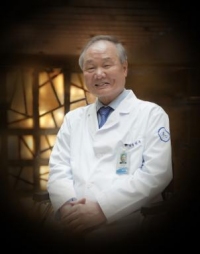
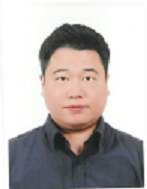
Lee Myung Jon
  • Graduated from the College of Medicine, Yonsei University in 1964.
  • Worked as a neurologist and lecturer at the University of Minnesota Hospital.
  • Former Head of the Neurology and Brain Disease Center and Parkinson's Disease Center at "Asan" Hospital in Seoul.
  • Head of the Neurology Department and Brain Disease Center at "Cheongshim".
  • Specialization: treatment of stroke consequences, degenerative brain diseases, epilepsy.
Learn more Collapse
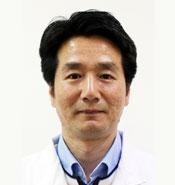
Kang Jin Woo
  • Graduated from the College of Medicine, Kosin University.
  • Specialization: pain management, rehabilitation after strokes and injuries — sports, traumatic brain injuries.
  • Works with children with disabilities over 10 years old.
Learn more Collapse
Jong Byung Han
  • Graduated from the College of Korean Medicine, Dongguk University.
  • Former Head of "Asan", "Dongkan", "Kyeonghwadong" Oriental Medicine Clinics.
  • Head of the Department of Traditional Korean Medicine at "Cheongshim".
  • Specialization: conservative treatment of chronic pain, menopausal syndrome, digestive disorders.
Learn more Collapse
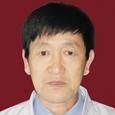
Li Wen Yin
  • Head of Department and Chief Physician at Dalian Central City Hospital.
  • Specialization: treatment of appendicitis, pancreatitis, liver and stomach diseases, post-operative rehabilitation.
  • Successfully helps women with menstrual pain and postpartum complications, infertile couples.
  • Uses natural preparations to treat skin diseases, including acne and psoriasis.
  • Uses the "acupotomy" method to treat orthopedic pathologies, spine and joint pain.
Learn more Collapse
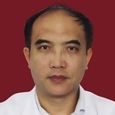
Zhan Bao Weng
  • Deputy Head of Department, member of the Dalian Traditional Chinese Medicine Pharmaceutical Society.
  • Specialization: therapy, treatment of cough, gastrointestinal and cardiovascular disorders, rheumatic diseases, gynecological disorders. Helps patients suffering from chronic fatigue and sleep disorders.
  • Works with children. Treats cough, skin diseases (acne, eczema, urticaria), viral (herpes), and parasitic infections.
Learn more Collapse
Search clinics
Treatment abroad? It's easy!
Get a treatment plan and cost estimate for free!
Attach a file

Need an urgent reply?
Request a callback

Selected: 0 clinics Compare