Figures and Facts About Medical Treatment in South Korea
- Number of international patients in 2019: 600,450.
- Cost level of medical treatment in South Korea: moderate, lower than in European countries, Israel, and the United States.
- Main medical specialties: oncology, neurosurgery, gastroenterology, orthopedics, plastic surgery, gynecology, radiotherapy, diagnostics, and robotic surgery.
- International accreditation: 31 hospitals have received the JCI certificate.
- Cost of a doctor’s consultation: up to $80.
Government Support and Regulation
Healthcare in the country is regulated by the government, which establishes a baseline pricing system. Hospitals may apply an additional surcharge for foreign patients, but the price remains the same regardless of whether the patient contacts intermediary companies or travels independently.
Accessibility of Korean Hospitals
Visa-free entry is permitted for citizens of 117 countries. Russian citizens can stay in Korea without a visa for up to 90 days, while citizens of Kazakhstan can stay up to 30 days.
The visa-free list also includes the United States, Canada, and many Asian countries (Japan, Macau, Taiwan, Kuwait, Brunei, etc.), as well as countries in Latin America (Argentina, Honduras, Paraguay, Uruguay, Ecuador, Guyana), Africa, and Oceania.
Seoul, the capital of South Korea, is a major transportation hub in Asia with direct flights from many cities in Russia, Kazakhstan, and other CIS countries. Most major hospitals in South Korea are located here or in nearby cities that can be reached by car or metro.
Key Features of Healthcare in South Korea
Speed. Hospitals in Korea offer package programs that allow patients to complete the necessary procedures within a single day without waiting in long queues. International patients are typically given priority appointments with physicians.
Minimally invasive surgery is one of the major advantages of treatment in Korea. Surgery is performed only when medically indicated and is usually carried out laparoscopically or with robotic surgical systems through one or two small incisions. This approach minimizes soft-tissue damage, prevents visible scarring, and shortens the recovery period to just a few days.
Combination of Western and Eastern medical approaches. Departments of traditional Eastern medicine operate in many medical centers, such as Cheongshim and KUIMS. Some Korean hospitals, such as Jaseng, specialize exclusively in alternative treatment methods, including acupuncture, moxibustion therapy, and cupping therapy.
Doctors and Medical Staff
In Korea, being a physician is a highly respected and well-paid profession that requires extensive education. Medical training typically lasts more than 10 years.
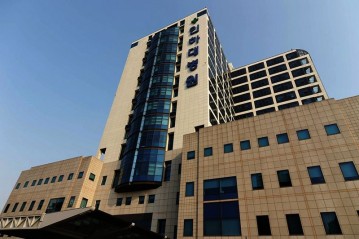
Approximately 30% of doctors become general practitioners, while the rest specialize in specific medical fields. Medical schools and institutes operate at prestigious universities such as Seoul National University, the Catholic University of Korea, Yonsei University, and Inha University.
Many outstanding physicians complete training and internships abroad, particularly in the United States and Europe.
Patients typically see a doctor after completing diagnostic examinations. Based on test results and examinations, the physician provides a medical conclusion and prescribes treatment.
A large portion of routine procedures is performed by nursing staff and junior medical personnel, whose high level of training allows them to take responsibility for these tasks.
Hospitals and Medical Equipment
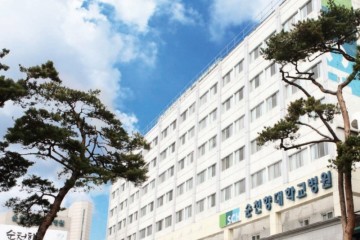
Hospitals in Korea can be divided into multidisciplinary hospitals and specialized centers.
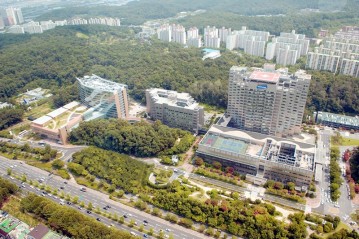
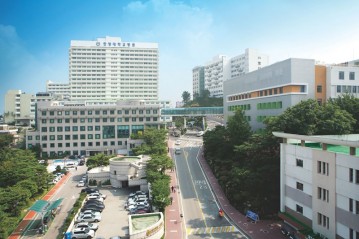
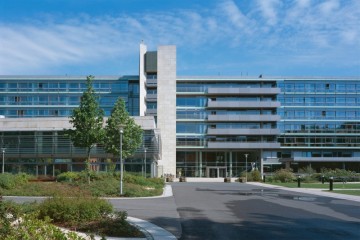
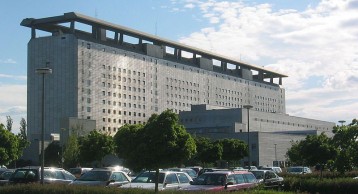
Large multidisciplinary hospitals include dozens of departments and entire specialized centers. Institutions such as Severance Gangnam consist of several multi-story buildings housing not only medical facilities but also banks, cafés, and shops.
Specialized hospitals focus on narrow medical fields, such as orthopedics, plastic surgery, gynecology, infertility treatment, and others.
South Korea is one of the global leaders in robotic surgery. Da Vinci surgical robots are available in nearly all major hospitals.
In addition, Korean physicians use advanced medical technology from companies such as Siemens and Philips. For cancer treatment, technologies such as the CyberKnife, Gamma Knife, and the RapidArc precision radiotherapy system are widely used.
Diagnostic procedures are performed using not only standard X-ray and ultrasound equipment, but also multichannel MRI, CT scanners, and PET-CT systems.
Accommodation During Treatment in Korea
International patients traveling for treatment in Korean hospitals generally have three accommodation options:
- Hospital inpatient room
- Hotel accommodation
- Apartment rental
Hospital rooms are categorized as VIP rooms, single or double standard rooms, and shared rooms.
A shared room for 5–6 patients may cost approximately $60 per day, but many hospitals primarily offer VIP and standard rooms, which may cost up to $500 or more per day.
If hospitalization is not required or the patient wants to reduce expenses, they may choose to stay in a hotel. Coordinators from the hospital’s international patient center can assist in selecting a nearby hotel and arranging discounts. Some partner hotels offer reduced rates for hospital patients.
A third option is renting an apartment. Hospitals can often assist with this as well, and some even have their own apartments available for patients.