Facts and figures about medical treatment in South Korea
- Number of foreign patients in 2019: 600 450.
- The cost of treatment in South Korea is average, lower than in European countries, Israel and the USA.
- Main directions: oncology, neurosurgery, gastroenterology, orthopedics, plastic surgery, gynecology, radiotherapy, diagnostics, robotic operations.
- International accreditation: 31 clinics have received the JCI certificate.
- The cost of a doctor's appointment: up to $ 80.
Government support and control
- Medicine in the country is controlled by the state, which sets a base price level. The hospital may make an additional margin for foreigners, but it will be the same regardless of whether the person contacted intermediary companies or arrived on their own.
- Transport accessibility of Korean clinics
- Visa-free entry is allowed to representatives of 117 countries. Russians can spend 90 days in Korea without a visa, citizens of Kazakhstan - 30.
- The list also includes the USA, Canada, Asian countries (Japan, Macau, Taiwan, Kuwait, Brunei, etc.), Latin America (Argentina, Honduras, Paraguay, Uruguay, Ecuador, Guyana), Africa and Oceania.
- Seoul, the capital of South Korea, is a major Asian transport hub with direct flights from many cities in Russia, Kazakhstan and the CIS. Most of the major clinics in South Korea are located here or in the surrounding cities, which can be reached by car or subway.
Features of medicine in South Korea
Speed. In Korea, there are package programs that allow you to undergo the necessary procedures without queues during the day, and doctors receive foreigners as a priority.
Minimally invasive surgery is one of the main advantages of treatment in Korea. Operations are not prescribed without indications, they are performed laparoscopically or with the help of robotic surgeons through one or two small incisions. This helps to reduce damage to soft tissues, rid the patient of noticeable scars and shorten the rehabilitation period to several days.
A combination of Western and eastern approaches. Departments of oriental medicine are open in many medical centers, for example, "Cheongsim" and KUIMS. Some clinics in Korea, like Chasen, specialize exclusively in alternative treatment methods: acupuncture, moxa therapy, and the use of medical jars.
Doctors and medical staff
A doctor in Korea is a respected and highly paid profession that can only be obtained after a long period of study: medical students have been studying for more than 10 years. About 30% become therapists, the rest become specialized specialists. There are medical faculties and institutes in prestigious educational institutions: Seoul National University, Catholic University of Korea, Yongse, Inha. Outstanding doctors practice and gain experience abroad, in America and Europe.
The patient gets an appointment with a doctor when he is diagnosed. Based on the results of the examination and tests, he issues a conclusion and prescribes treatment. Most of the routine procedures are performed by the middle and junior medical staff — a high level of qualification allows them to take on this task.
Clinics and their facilities
Clinics in Korea are divided into general and specialized.
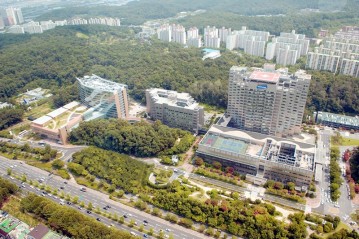
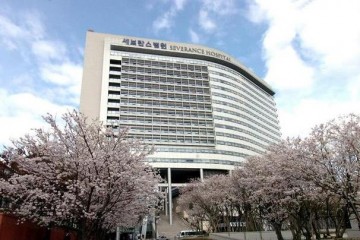
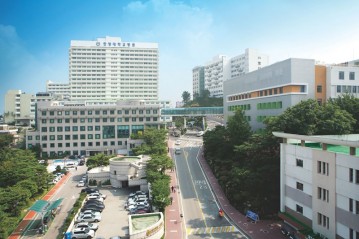
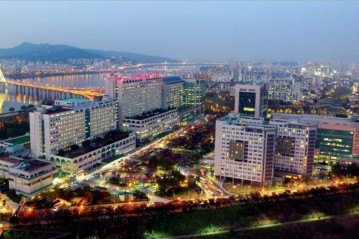
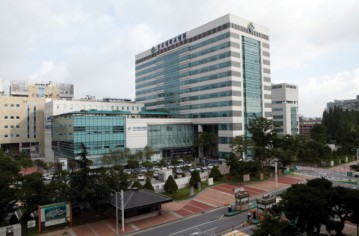
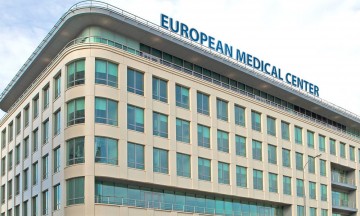
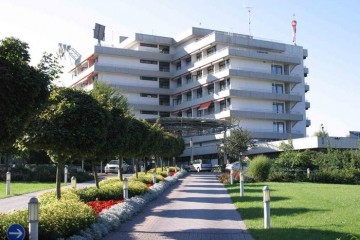
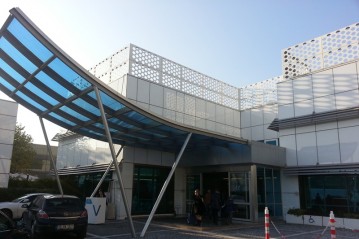
Large general hospitals include several dozen departments and even entire centers. Institutions such as Severance Gangnam include several multi-storey buildings, which house not only medical complexes, but also banks, cafes and shops. Specialized Korean clinics deal with narrow fields of medicine: orthopedics, plastic surgery, gynecology, infertility treatment, etc.
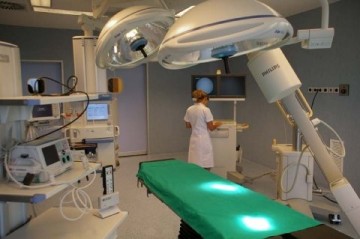
Korea is one of the world leaders in conducting robotic operations. Almost all major hospitals have Da Vinci surgical robots. In addition, Korean doctors use medical equipment from Siemens and Phillips, use a "Cyber knife", a "Gamma knife", and a RapidArc precision radiation therapy system for cancer treatment. Diagnostics is performed, in addition to standard X-ray and ultrasound devices, on multichannel MRI and CT, PET-CT.
Accommodation during treatment in Korea
There are 3 accommodation options available for foreign patients who have gone to Korean clinics for treatment: a hospital room, a hotel room and an apartment for rent.
The rooms are divided into categories: VIP, single and double standard and multi-bed rooms. A day in a ward for 5-6 people can cost about $ 60, but many hospitals accommodate patients only in VIP and standard rooms. Their price reaches 500$ and more.
If there is no need for hospitalization or the patient wants to save money, he can book a hotel room. The coordinators of the international center of the selected clinic will help you choose a hotel nearby and get a discount: some hotels accept patients from partner clinics at discounted prices.
The third option is to rent an apartment. A clinic can also help here: some of them even have their own apartments, which they rent out to clients.